Bathroom remodels aren’t just about a pretty vanity anymore. Today’s Bathroom Equipment blends design, technology, and sustainability to create spaces that feel good and work smarter, no matter the square footage. From sculptural fixtures to large-format porcelain from brands like Majestic Tiles, the details now carry the room. This guide breaks down what’s new and what actually matters: fixtures and fittings, the luxury-versus-efficiency balance, storage ideas that tame clutter, energy-saving upgrades, and accessibility features that make daily routines safer and more comfortable.
Fixtures and fittings redefining bathroom design
Form and function now share the spotlight
In modern bathrooms, fixtures do more than deliver water: they set the tone for the entire space. Designers lean on cohesive lines, tactile finishes, and integrated tech to create a calm, high-performing room.
- Faucets and valves: Slim profiles with ceramic disc cartridges deliver durability and smooth control. Matte black and brushed brass remain popular, while PVD finishes keep hardware from tarnishing in humid environments.
- Showers: Thermostatic valves keep water temperature steady, even when other taps run. Multi-function hand showers add accessibility and easy cleaning. For a spa-leaning feel, ceiling-mounted rain heads are being paired with a targeted secondary showerhead for everyday practicality.
- Toilets and bidet seats: Compact one-piece toilets with skirted traps simplify cleaning. Bidet seats (or integrated bidet toilets) add hygiene and comfort without needing a separate fixture, and newer models include heated seats, night lights, and adjustable wash modes.
- Vanities and sinks: Furniture-style vanities float or stand on legs to visually lighten the room. Integrated, seamless sinks reduce grout lines and maintenance. Wall-mounted faucets free up counter space.
Tiles that do more than decorate
Tiling now plays both a protective and expressive role. Large-format porcelain tile, often 24×48 inches or more, minimizes grout lines, making small bathrooms read as larger and easier to clean. Textured, slip-resistant floor tiles (with a wet DCOF of ≥ 0.42) boost safety without looking utilitarian. Collections from makers like Majestic Tiles offer rectified edges for tighter joints, stone-look slabs for a luxe vibe, and recycled-content options for greener specs.
Lighting, mirrors, and the details that finish the room
Layered lighting is non-negotiable. Think: dimmable overheads for general illumination, vertical sconces or integrated mirror lights at face level for shadow-free grooming, and a soft night light for orientation. Heated towel bars, quiet exhaust fans with humidity sensors, and linear drains add comfort while keeping lines clean. These fittings round out a bathroom that feels designed, not pieced together.
The balance between luxury features and efficiency
Smarter indulgence
Homeowners increasingly want spa-like features without ballooning utility bills. The trick is choosing luxury that’s efficient by design and using controls that curb waste.
- Showers: Pair a rain head with a water-efficient hand shower rather than installing multiple high-flow heads. Look for WaterSense-labeled components: many deliver a satisfying spray at 1.75 gpm.
- Baths: Freestanding tubs photograph beautifully, but deep soakers take time (and hot water) to fill. If bath time is rare, a sculptural 55–60 inch tub keeps proportions elegant while conserving space and water.
- Steam showers: Fantastic for wellness, but they demand insulation and a tight envelope. A well-sized generator plus auto shutoff and preset session lengths keep energy in check.
- Heated floors and towel warmers: Use programmable or app-based timers. Heat only zones that matter during the hours they’re used.
Where efficiency earns its keep
- Faucets and aerators: Quality aerators often cut flow to 1.0–1.2 gpm while maintaining a pleasant stream.
- Toilets: Dual-flush models commonly offer 0.8/1.28 gpf. The difference adds up fast in busy households.
- Ventilation: A quiet, efficient fan with a humidity sensor prevents mold and protects finishes, allowing lower run times overall.
The big-picture balance is simple: prioritize the luxuries that will be used daily, then layer in controls, timers, thermostats, smart presets, to avoid paying for comfort you’re not actually enjoying.
Storage innovations for small and large bathrooms
Make space where it doesn’t seem to exist
Clutter kills the calm. New storage-focused Bathroom Equipment and millwork strategies keep essentials at hand without crowding the room.
- Recessed medicine cabinets: Modern units sit flush, include integrated lighting, and sometimes hide outlets or USB ports inside for electric toothbrushes and shavers.
- Vanity drawers that work: Deep drawers with U-shaped cutouts navigate plumbing. Add customizable dividers so hair tools don’t tangle with skincare.
- Toe-kick drawers: A few inches at the base of a vanity becomes hidden storage for flat items like extra towels or cleaning supplies.
- Shower niches and ledges: Oversized niches or a continuous ledge keep bottles off the floor, and if they’re tiled in the same large-format porcelain from, say, Majestic Tiles, the look stays seamless.
Scaling up for larger primary baths
Bigger rooms benefit from zoning:
- Double vanities with a shared center tower: Keeps daily items visible yet contained.
- Linen towers and built-ins: A tall cabinet with adjustable shelves or pull-out hampers handles bulky items without hogging floor space.
- Laundry integration: In some layouts, a concealed hamper or even a stacked washer/dryer closet adds everyday convenience.
Materials that survive the long haul
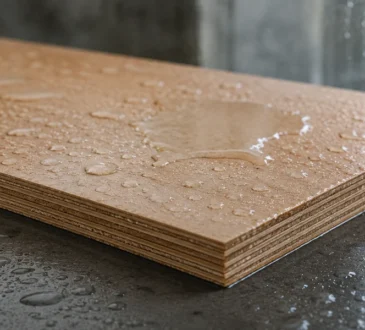
Moisture-resistant plywood boxes, sealed edges, and quality hardware (soft-close undermount slides, solid hinges) extend cabinet life. For shelves and counters, nonporous surfaces like sintered stone or porcelain slabs resist staining, and matching tile baseboards protect walls from mops and splashes.
Energy-saving equipment that supports sustainability
Water and energy: the two big levers
Saving water often saves energy too, because heating water is energy intensive. Specifying WaterSense-labeled fixtures across the board, faucets, showerheads, and 1.28 gpf (or less) toilets, shrinks demand without sacrificing experience.
- Heat pump water heaters: For electric homes, these can reduce energy use by up to 70% versus standard electric tanks, while dehumidifying nearby air, a bonus for adjacent laundry or mechanical rooms.
- On-demand recirculation pumps: Motion- or button-activated systems move hot water to the tap only when needed, cutting the “waiting for hot water” waste.
- LED lighting and controls: LEDs use far less energy than incandescents and last longer. Add vacancy sensors or smart switches, and lighting stops burning when nobody’s in the room.
- Smart thermostats for radiant floors: Zoning and scheduling prevent all-day operation. Warm feet at 6 a.m., not at noon when nobody’s home.
Materials and finishes with smaller footprints
Porcelain tile is durable and often contains recycled content. Look for Environmental Product Declarations (EPDs) and low-VOC certifications. Collections from manufacturers, including Majestic Tiles, increasingly publish transparency data, making it easier to compare options beyond looks.
Ventilation that actually helps
A right-sized, efficient fan with a timer or humidity sensor protects paint, drywall, and cabinetry, extending the life of the remodel. Quiet fans (sone rating ≤ 1.0) encourage regular use, which is the real key to performance.
Tip: Work with the contractor to seal penetrations, insulate exterior walls properly, and consider a tighter shower enclosure for steam or high-humidity routines. The greenest energy is the energy not lost in the first place.