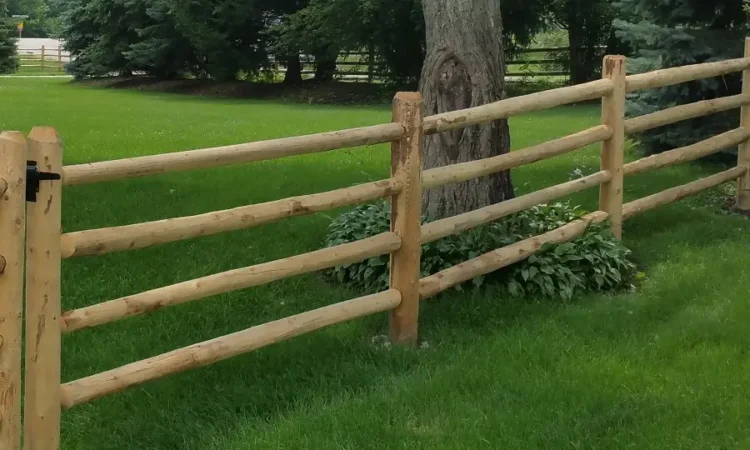
Keeping a pet secure outdoors matters as much as teaching a reliable recall. In a region that sees icy winters, stormy springs, and busy streets, the right fence can be the difference between worry and peace of mind. Homeowners often weigh privacy, durability, and visibility as they compare wood, vinyl, and chain-link options. Local expertise makes a difference, too, because installers must account for soil conditions, frost lines, and municipal codes. Whether you prefer the timeless warmth of wood or a low-maintenance solution, reputable names like Cedar Rustic Fence show how craftsmanship and materials come together for long-term safety. By partnering with Dog Fence Installers Chicagoland residents trust, you can create a yard that’s secure, attractive, and easy to maintain.
Choosing the Best Fence Type for Pet Containment
Selecting the right fence starts with your dog’s behavior and the look you want for your property. Wood delivers privacy and a natural appearance, which can help calm easily stimulated pets and reduce barking triggered by passersby. Vinyl offers clean lines and very low maintenance, a practical choice if you want consistent performance with minimal upkeep. Chain link is cost-effective and durable, and it provides a wide field of view that can reduce anxiety for some dogs who prefer to monitor their surroundings. Consider how each material handles Chicagoland weather, because freeze-thaw cycles, wind, and UV exposure stress fences differently.
Comparing materials for safety and maintenance
Wood fences can be built as solid panels, board-on-board, or shadowbox to balance airflow and privacy. With regular sealing or staining, wood resists moisture and looks refined; without it, boards can warp or cup, creating gaps that clever pets exploit. Vinyl panels resist rot, insects, and peeling paint, and their smooth surfaces discourage climbing, which is useful for athletic breeds. Chain link stands out when you need durable containment and open sightlines; smaller mesh (often called “puppy mesh”) helps keep tiny dogs from slipping through. Whichever you choose, the safest design prevents footholds, blocks dig-through paths, and positions latches and rails beyond a pet’s reach.
Beyond basics, think about your dog’s energy level and how stimulation affects behavior. Privacy-style wood or vinyl can lower excitement by limiting visual triggers, while semi-private designs strike a middle ground. For social dogs who enjoy watching the neighborhood, chain link with a privacy hedge or slats can soften views without making the yard feel closed in. Many owners pair solid fencing along street-facing sides with more open panels inside the yard, creating both a calm perimeter and a pleasant interior space. If you lean toward the character of wood, a provider like Cedar Rustic Fence shows how species selection and millwork quality influence both longevity and safety.
Height and Gate Standards That Prevent Pet Escapes
Fence height and gate integrity are two of the strongest predictors of whether your dog stays put. Small breeds usually do well with a 4- to 5-foot barrier, but agile or jump-prone dogs often require 6 feet to prevent escape. The design of the top line matters as much as height; a flat top without horizontal mid-rails reduces climbability compared to styles with ladder-like rails. Gaps at the bottom should be tight to grade, especially across slopes where uneven ground invites tunneling or squeezing under. In high-traffic neighborhoods, consider a double-gate “airlock” to add a layer of protection at entry points, a detail many Dog Fence Installers Chicagoland crews recommend for busy households.
Hardware and latch choices that actually hold
A gate is only as secure as its hardware, so invest in heavy-duty, corrosion-resistant hinges and latches. Self-closing hinges paired with a lockable latch reduce the chance of an accidental left-open gate, especially where kids or delivery carriers enter frequently. Place the latch high and on the yard side to make it harder for dogs to reach or paw at it, and avoid cutouts that create footholds. For ornamental or picket styles, tighter picket spacing near the bottom—sometimes called “puppy pickets”—prevents smaller pets from pushing through. When in doubt, ask your installer to demonstrate the closing force and alignment needed to prevent sag over time.
Beyond height and hardware, ground-level containment deserves attention. A bottom rail seated close to grade helps, but active diggers often need added measures such as a shallow concrete mow strip or a buried barrier. Some owners install a narrow ribbon of pavers or river rock inside the fence line to discourage digging without creating a trip hazard. If your dog is a persistent chewer, choose materials with smooth edges and limited texture, and avoid exposed fasteners near reach height. Experienced Dog Fence Installers Chicagoland teams can tailor these details to your yard’s slope, soil, and pet behavior so small oversights don’t become daily risks.
Installation Practices That Increase Strength and Safety
Even the best fence design falls short if it isn’t anchored properly. In most Chicagoland municipalities, the frost depth is around 42 inches, so posts should be set deep enough and plumb to avoid heaving in winter. Concrete footings that flare at the bottom help resist movement, while properly compacted backfill supports posts on sloped yards. Rails must be level and well-secured to minimize racking under wind loads, and gates need bracing and adjustable hinges to hold alignment. These structural fundamentals keep gaps tight and reduce the chance of a clever pet finding a weakness.
Build details that stand up to weather and wear
Material-specific techniques also affect safety. For wood, stainless or hot-dipped galvanized fasteners resist corrosion and staining, and end-grain sealing slows moisture uptake that can create pet-sized cracks. Vinyl requires proper expansion allowances in brackets so panels don’t warp or pop free during temperature swings. With chain link, a well-tensioned top rail and securely tied fabric reduce flexing that might otherwise create pry points for a determined dog. In every case, smooth internal faces without protruding screws or sharp cut edges reduce snag risks to collars and paws.
Grade transitions deserve special care because uneven ground can create escape routes. Stepped panels maintain a tidy profile, but large step gaps can become crawl-under points; racked panels follow the slope, often offering better containment. Where landscaping meets fence lines, maintain a clear zone to avoid root heave and to make periodic inspections easy. If you want wood’s natural look, consider partnering with reputable providers such as Cedar Rustic Fence, who know how to combine species, milling, and finishes for both endurance and pet safety. Thoughtful installation isn’t just about a straight line; it’s about durability that prevents failure during the harshest Midwest weather.
Meeting Local Rules for Residential Pet Fencing
Creating a safe yard also means staying compliant with city codes, county standards, and any homeowners association rules. Many Chicagoland communities limit front-yard fence heights, often to four feet, while allowing six feet in rear yards. Corner lots may require visibility triangles near driveways and intersections, which can affect where and how you place solid panels. Some municipalities regulate materials along public-facing sides, so a solid privacy fence in the backyard might need to transition to semi-private toward the front. Permits may be required above certain heights or for specific materials, and skipping them can delay the project with fines or mandatory changes.
Steps to streamline approvals and avoid surprises
A good process starts with verifying your property lines using a recent plat of survey; building on a neighbor’s land—even by inches—can lead to expensive corrections. Call 811 to locate utilities before digging, because invisible lines can sit surprisingly close to proposed post locations. If you’re in an HOA, submit design details—height, style, color—early, and allow time for review cycles before scheduling the crew. Keep in mind that drainage easements or utility corridors often prohibit permanent structures, so your fence may need jogs or shorter sections to comply. Many Dog Fence Installers Chicagoland professionals handle permit applications and inspections for you, helping ensure that the fence you want matches what your municipality allows.
Regulation aside, compliant design often aligns with practical safety. Restricted heights in front yards encourage semi-private or open designs that maintain sightlines for drivers and walkers, reducing startle responses in reactive dogs. Clear perimeter setbacks can create a maintenance path, making it easier to inspect for dig spots or loose fasteners. When codes call for specific hardware or self-closing gates near pools, those features double as pet safety upgrades. By planning for approval and safety at once, you reduce rework and get a reliable barrier in place faster.
Enhancing Curb Appeal With Pet-Friendly Design Options
A secure dog fence can also elevate your home’s exterior, blending safety with thoughtful style. Color, texture, and profile contribute to the look, and you can choose features that also improve pet behavior. For example, a privacy fence with a lattice or horizontal accent along the top breaks up massing without creating climbable ledges. Black-coated chain link disappears visually against landscaping, and adding greenery softens the perimeter while maintaining airflow. Vinyl in subtle neutrals pairs nicely with modern homes, and its smooth surfaces resist bite and scratch marks.
Design touches that delight owners and calm pets
Within wood styles, shadowbox and board-on-board create privacy while letting breezes pass, which can help maintain comfort during humid summers. Rounded post caps and eased board edges remove snag points, while taller corner posts add a custom feel without altering containment. Strategic “dog windows” or low, mesh-protected portals can reduce fence fighting by letting curious pets see frequent visitors like delivery trucks without stressing at full privacy panels. Inside the yard, a narrow mulch or gravel border along the fence line discourages digging and gives you a quick visual cue for escape attempts. Choose finishes that resist fading so the fence doesn’t develop shiny or dull patches that draw attention to wear.
Consider how the fence meets your home’s architecture and site lines. On sloped lots, a racked panel design can create a graceful line that mirrors the grade, avoiding awkward steps that attract the eye. Matching gate hardware across all entries lends cohesion, and arched or framed gates can become a welcoming feature. If you gravitate toward wood’s warmth, the craftsmanship seen from providers like Cedar Rustic Fence shows how species selection, milling, and stain tones can complement brick, siding, or stone. As you finalize choices with Dog Fence Installers Chicagoland experts, keep the focus on durability and behavior-friendly details so the finished project looks polished and performs every day.