Avoid These Common Loading Dock Inspection Mistakes That Lead to Costly Downtime

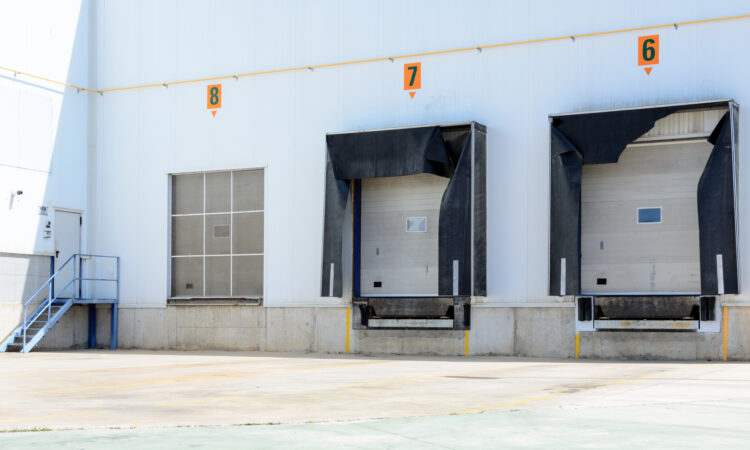
Skipping even one inspection might seem harmless, but the true cost often arrives in the form of halted shipments and frantic calls for emergency repairs. Loading dock downtime rarely announces itself in advance. Instead, it sneaks up in the middle of busy seasons, leaving managers scrambling and revenue leaking through the cracks.
Myth 1: Skipping Regular Inspections Saves Time and Money
Many operations postpone thorough inspections, convinced they’re buying themselves extra productivity. In reality, every missed maintenance round increases the risk of a critical component failing at the worst possible moment.
The Hidden Costs of Unexpected Downtime
When a dock leveler or door fails, the clock starts ticking. Trucks line up outside, shifts grind to a halt, and the costs escalate far beyond a simple repair bill. According to industry surveys, a single unscheduled dock failure can cost thousands in lost productivity and missed deliveries. Meanwhile, regular inspections catch early warning signs before they spiral into emergencies.
How Preventive Inspections Extend Equipment Lifespan
A well-maintained dock naturally lasts longer. Components like springs, cables, and seals degrade over time. Frequent check-ups address small issues before they become system-wide failures, stretching every dollar invested in your facility’s infrastructure.
Myth 2: Visual Checks Alone Are Enough
A quick glance at the loading dock might offer peace of mind, but surface-level inspections miss what truly matters.
Why a 26-Point Inspection Is Crucial
Professional techs follow a rigorous checklist for a reason. A comprehensive framework ensures nothing slips through the cracks:
– Dock seals and bumpers
– Lifting cables and springs
– Electrical controls and safety systems
– Alignment of tracks and door panels
Each zone interacts with the next. Overlooking just one can start a chain reaction, especially as winter approaches.
Commonly Overlooked Dock Components That Cause Failures
Many facility managers forget about less obvious troublemakers: worn weather seals, frayed lift cables, or misaligned tracks. Any of these can trigger major breakdowns. Preventive checks, like those included in an inspection de quai de chargement Dor Docteur, ensure no critical detail is left out.
Myth 3: Weatherproofing Is Only Necessary in Harsh Winters
Too many organizations treat dock weatherproofing as optional unless faced with arctic conditions. The truth is, fluctuating temperatures, rain, and wind take a toll year-round.
The Impact of Seasonal Changes on Dock Equipment
As temperatures swing, seals shrink and expand, letting energy leak and inviting moisture in. Even moderate winters can warp key components, slow door operation, or trigger premature failures.
How Winter Preparation Prevents Energy Loss and Contamination
Properly weatherized docks cut heating costs and protect inventory from water or pest intrusion. This simple step often pays for itself by eliminating expensive contamination events and relentless energy loss.
Myth 4: DIY Repairs Are Sufficient for Dock Maintenance
It’s tempting to grab a toolkit and tackle dock repairs in-house. Yet, what seems like a cost-saving move can actually open the door to bigger risks.
Risks of Using Non-Certified Technicians
Untrained hands may overlook safety integrations or violate code requirements. Worse, misapplied fixes can void warranties, jeopardize insurance coverage, or expose workers to preventable accidents.
Benefits of Professional Inspections and Certified Repairs
Certified technicians bring expertise and accountability. They provide same-day reports, adhere to evolving safety standards, and spot issues only experience reveals.
Myth 5: Compliance with Safety Codes Is Optional or Overrated
Some businesses see fire and safety codes as boxes to check. Yet, non-compliance can become a legal and financial nightmare.
Understanding NFPA-80 and Its Importance for Your Facility
The NFPA-80 code dictates safety standards for fire doors and related equipment. Regular inspections by qualified professionals not only ensure operational safety but also protect against regulatory fines.
How Compliance Reduces Liability and Insurance Costs
Facilities that document their compliance can negotiate better insurance rates and sidestep costly penalties during audits. A single oversight might cost far more than consistent adherence.
Myth 6: Energy Efficiency Doesn’t Affect Downtime or Safety
It’s easy to underestimate the impact of drafty seals and worn insulation. Yet, these “minor” defects can chip away at margins and equipment health.
The Role of Dock Seals and Insulation in Operational Efficiency
Proper seals block out moisture and cold, reducing the strain on motors and heaters. This not only saves energy but also keeps machinery functioning at its best.
Real-World Examples of Energy Loss Leading to Equipment Damage
Facilities that ignore seal maintenance often battle rust, corrosion, or even frozen mechanisms. The result? More frequent breakdowns and, inevitably, more downtime.
Myth 7: Immediate Repairs Are Costly and Can Be Delayed
Procrastinating on repairs rarely saves money. Instead, it almost always magnifies the original problem.
Why Delaying Repairs Leads to Larger Failures
A neglected frayed cable can snap, damaging doors and injuring workers. Minor leaks can turn into mold infestations or widespread equipment damage.
How Same-Day Detailed Reports Enable Quick, Cost-Effective Decisions
Immediate diagnostics from trusted professionals let managers act quickly, often resolving problems before they impact schedules or budgets in a major way.
Final Thoughts: Transforming Dock Safety Into a Competitive Advantage
Avoiding the most common dock inspection mistakes isn’t just about compliance; it’s about maintaining operational momentum. Facilities that invest in professional, thorough inspections reduce surprises, lower costs, and keep their teams safe year-round. Overlooking a single dock component might save a few minutes today, but the price of downtime can haunt a business for months. Consider prevention as your first line of defense, and a competitive edge that pays off every season.