Why DIY Smoke Cleanup Rarely Works and What Professionals Do Differently

After a fire, many homeowners try to clean smoke damage themselves to save time or money. At first, wiping walls, washing fabrics, and airing out the house may seem to help. But in most cases, smoke odors and damage return. This is because smoke cleanup is far more complex than surface cleaning. Understanding why DIY methods fail helps explain why professional restoration is the safer and more effective option.
Why Smoke Damage Is Harder to Clean Than It Looks
Smoke particles are extremely small and travel deep into materials. They do not just sit on the surface of walls or furniture. Smoke penetrates drywall, insulation, carpets, padding, and even wood framing. When homeowners clean only what they can see, most of the contamination remains hidden.
Smoke residue is also acidic. Using household cleaners or water incorrectly can spread soot, drive it deeper into surfaces, or permanently stain materials. Once soot bonds to a surface, it becomes much harder to remove without specialized tools.
Common DIY Mistakes Homeowners Make
One of the biggest mistakes homeowners make is wiping soot with wet rags or sponges. This often smears the residue and pushes it into paint or drywall. Vacuuming without the right filters can blow smoke particles back into the air, spreading contamination to clean areas.
Another common issue is using air fresheners or candles to cover odors. These products only mask the smell temporarily. Once the scent fades, the smoke odor returns. Painting over smoke-stained walls without proper cleaning and sealing is another mistake that often leads to stains and odors bleeding back through.
Why Smoke Odors Keep Coming Back After DIY Cleanup
Smoke odors come from particles trapped deep inside materials. Changes in temperature or humidity cause these particles to release odor again. This is why homes may smell fine for a short time, then suddenly smell smoky weeks later.
DIY methods do not neutralize smoke at a molecular level. Without removing or breaking down the particles themselves, the odor source remains active inside the home.
What Professionals Do Differently
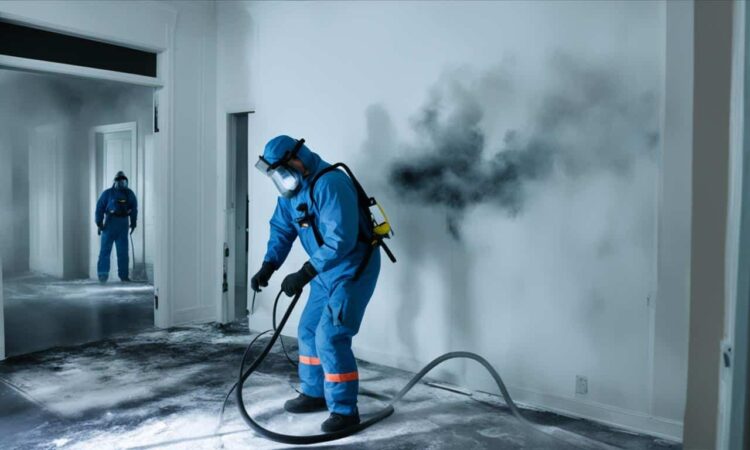
Professional restoration teams use specialized equipment designed specifically for smoke damage. This includes air scrubbers that remove smoke particles from the air, deodorization tools that neutralize odors, and cleaning agents matched to the type of smoke involved.
Professionals also clean areas homeowners cannot reach. Wall cavities, attics, crawl spaces, and HVAC systems are inspected and treated. Insulation may be removed if it is heavily contaminated. These steps stop smoke damage at the source instead of treating symptoms.
The Role of Training and Experience
Not all smoke damage is the same. Fires involving plastics, electronics, grease, or natural materials all create different types of smoke. Each type reacts differently to cleaning methods. Restoration professionals are trained to identify the smoke type and choose the correct approach for each surface.
This experience prevents further damage and increases the chance of saving belongings that might otherwise be thrown away.
“DIY smoke cleanup almost always leaves hidden damage behind,” says Eric Marks of Restoration Companies. “Professional restoration targets the smoke at its source so odors and health risks do not come back later.”
Why Professional Cleanup Saves Money Long-Term
While DIY cleanup may seem cheaper at first, it often leads to repeated cleaning, replacement of damaged items, and ongoing odor problems. Professional restoration addresses everything at once, reducing the risk of future repairs and protecting property value.
Insurance companies also prefer professional documentation and cleanup, which helps ensure claims are handled correctly.
Choosing the Right Path After Smoke Damage
Smoke damage is deceptive. What looks clean on the surface may still be contaminated underneath. DIY methods rarely solve the full problem. Professional smoke damage restoration provides a complete solution that protects your home, your health, and your investment.