There’s a very specific kind of panic that comes with your heating giving up on the coldest night of the year. One minute, you’re cosy under a blanket, and the next, you’re Googling ’emergency boiler repair’ at 11 p.m. while wearing three jumpers.
Luckily, a bit of prep work in autumn can save you from all of that. Here’s how to get your heating system sorted before winter decides to make its entrance.
Start with a Professional Inspection
Before you do anything else, get a qualified technician to look over your heating system. Think of it as a health check; you wouldn’t ignore a dodgy-sounding engine in your car, and your boiler deserves the same attention.
In the UK, it’s worth checking that any engineer you hire is Gas Safe registered. A quick search online, combined with a look at customer reviews, will help you find someone reliable.
Book your slot early, too, because demand ramps up once October rolls around.
This inspection will flag any underlying issues before they turn into expensive emergencies. It’s the foundation everything else builds on.
Bleed the Radiators
Once you know the system is structurally sound, it’s time to make sure it’s actually running efficiently. If your radiators are warm at the bottom but cold at the top, you’ve got trapped air in the system, and bleeding them is the easiest fix.
Turn the heating off and let the radiators cool down completely. Then, use a bleed key to slowly open the valve at the top of each radiator until you hear a hiss.
Keep a cloth handy for any drips. When the hissing stops and water starts to trickle out steadily, close the valve again. It’s simple, satisfying, and surprisingly effective.
Test the Thermostat
With your radiators sorted, your thermostat is next in line. Set it to your desired temperature and compare it against a separate thermometer in the same room. If the readings don’t match, something is off.
If your thermostat is battery-powered, swap the batteries out now instead of waiting for it to die mid-January. For wired models, check that all connections look intact.
While you’re at it, set up a schedule-lower temperatures while you’re out and warmer settings for when you’re home. It’s one of the easiest ways to cut your energy bills without sacrificing comfort.
Replace or Clean Your Filters
A clogged filter is one of the biggest culprits behind an inefficient heating system. It forces your unit to work harder than it needs to, which means higher bills and a shorter lifespan for your equipment.
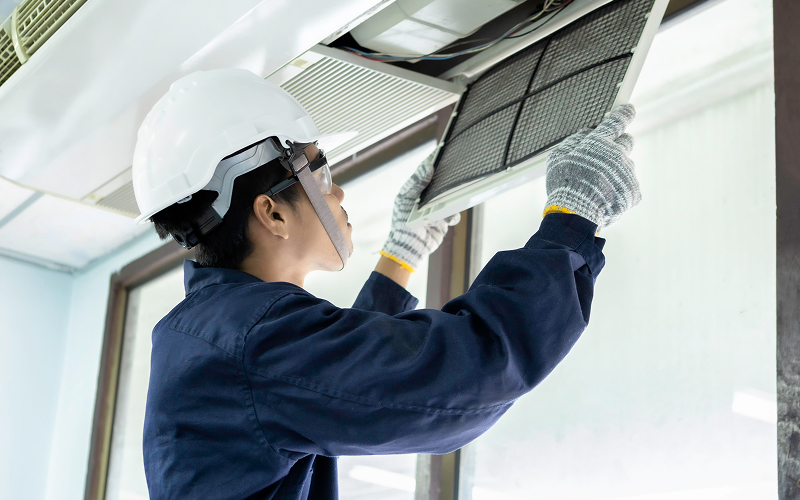
To avoid this, check your filters monthly and replace or clean them depending on your system type.
You’ll usually find the filter near the furnace or return air duct. Slide out the old one, check the size printed on the frame, and pop in a new one that matches.
High-efficiency filters are worth the extra few pounds. They do a better job of trapping dust and allergens, keeping both your air and your system in better shape.
Clean the Furnace and Vents
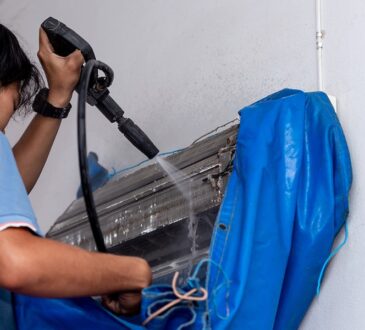
Now that airflow is sorted at the filter level, it’s time to think about where that air actually travels. Dust build-up inside your furnace and along your vents restricts airflow and, in the case of the furnace, can even become a fire hazard.
Use a hoover with an extension hose to clear out dust from the furnace unit, vents, and registers. A damp cloth will take care of anything that’s stuck on.
Also, make sure there’s at least one metre of clear space around the furnace at all times, not just for efficiency, but for safety as well.
For the vents and registers throughout your home, pull them off if possible and clean them.
Move any furniture that’s blocking them, too. Obstructed vents create uneven heating and unnecessary strain on the system.
Insulate the Ducts and Pipes
Even if your system is working perfectly, you may still be losing a significant amount of warmth through poorly insulated ducts and pipes.
This is especially common in older homes where pipework runs through unheated spaces, like lofts or garages.
Walk around your home and look for any exposed ductwork or pipes. Pick up some insulation sleeves and duct tape from your local hardware shop.
Then, wrap those exposed sections to keep the heat inside your home instead of letting it escape through the walls. The upfront cost is minimal, and the savings on your energy bills will add up quickly over winter.
Seal Draughts
You can have the most efficient heating system in the country, but if cold air is sneaking in through gaps around your windows and doors, you’ll be fighting a losing battle.
To pinpoint these weak spots, hold a lit candle near the edges. If the flame flickers, you’ve found a draught.
Use weatherstripping for movable parts like door and window frames. For fixed gaps and cracks, a tube of exterior-grade sealant will do the job. Both are cost-effective fixes that will make a noticeable difference to how warm your home feels.
Dust Your Home and Keep Things Clear
This one might feel like a stretch, but dust that builds up on surfaces, skirting boards, and furniture can trap heat and interfere with how warmth circulates through your rooms.
Cleaning regularly, particularly around your radiators and vents, will keep air moving freely and let your heating system do its job properly.
Clean windows also let in more natural light and warmth during the day, which can take a bit of the load off your boiler.
If your schedule is already packed with the usual pre-winter chaos, it might be worth bringing in some cleaning help. A professional domestic cleaner can take care of the deep-clean side of things so your system has the best possible environment to work in.
Prepare an Emergency Kit
You’ve now done everything right. But winter doesn’t always play fair, so it’s worth having a backup plan.
Put together a simple emergency kit: a torch, extra blankets, a portable phone charger, and a few litres of bottled water.
Keep the contact details for an emergency heating engineer somewhere accessible, not buried in your emails.
If you want to take it up a notch, learn how to manually override your heating system, too, just in case the controls stop responding.
Check your smoke and carbon monoxide detectors while you’re at it. Replace the batteries and test them properly. This only takes two minutes, but it could potentially save your life.
Conclusion
You’ve gone from ‘hoping for the best’ to ‘fully prepared,’ and your heating system is now ready to face whatever winter throws at it.
Give yourself a pat on the back for actually doing this before the first frost hits. You’ll be glad you put in the time when you’re enjoying hot chocolate in your cosy living room.