

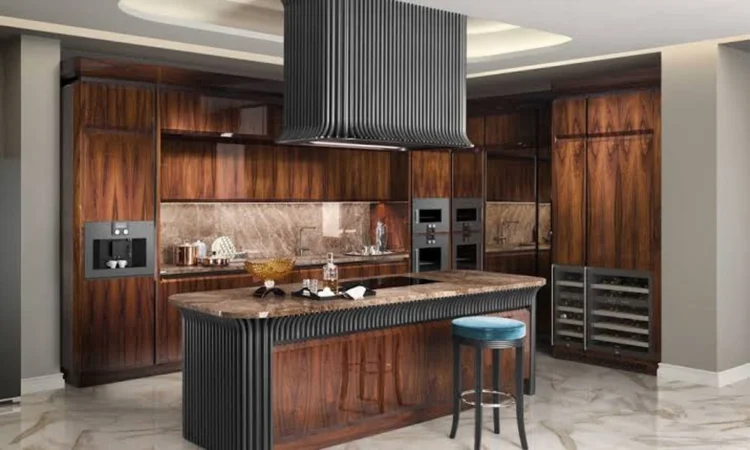

Updating a kitchen is one of the most significant investments homeowners make. Beyond improving appearance, a well-planned kitchen renovation can increase functionality, improve storage, enhance energy efficiency, and contribute to overall property value. The difference between a successful project and a disappointing one usually comes down to planning rather than spending.
For homeowners considering a redo kitchen project, understanding where budgets are allocated, which upgrades provide the greatest long-term value, and how modern design principles improve everyday living can help guide better decisions.
FACT BOX
Why Homeowners Remodel Kitchens
Common motivations include:
- Outdated layouts
- Insufficient storage
- Aging cabinets and countertops
- Inefficient lighting
- Worn flooring
- Older appliances with higher energy consumption
Industry surveys consistently identify kitchens as one of the most frequently remodeled rooms because they serve as both functional workspaces and gathering areas for family life.
Understanding Project Scope
Not every kitchen renovation involves removing walls or relocating plumbing. Projects generally fall into several categories.
| Project Type | Typical Scope | Relative Complexity |
| Cosmetic Refresh | Paint, hardware, lighting | Low |
| Partial Remodel | Cabinets, countertops, flooring | Moderate |
| Full Kitchen Renovation | Layout changes, utilities, finishes | High |
Homeowners planning to renovate kitchen spaces should define project goals before selecting materials. A clear scope helps control budgets, improve scheduling, and reduce unexpected construction changes.
FACT BOX
The Hidden Investments
Visible finishes often receive the most attention, but long-term performance depends on components that remain behind the walls.
These include:
- Electrical upgrades
- Plumbing improvements
- Ventilation systems
- Moisture protection
- Structural reinforcement when necessary
Investing in these elements frequently delivers greater long-term value than premium decorative finishes alone.
Comparing Common Countertop Materials
Selecting countertop materials involves balancing durability, maintenance, appearance, and budget.
| Material | Durability | Maintenance | Heat Resistance |
| Quartz | Excellent | Low | Good |
| Granite | Excellent | Moderate | Excellent |
| Laminate | Moderate | Low | Moderate |
| Solid Surface | Good | Low | Moderate |
The ideal material depends on cooking habits, maintenance preferences, and household lifestyle rather than aesthetics alone.
Statistical Summary
Research from the remodeling industry consistently highlights several trends among successful kitchen projects:
- Careful planning reduces the likelihood of costly design changes during construction.
- Storage improvements rank among the highest homeowner priorities.
- LED lighting has become a standard feature in modern kitchens because of its efficiency and long service life.
- Open layouts continue to be popular where structural conditions allow.
These findings suggest that practical improvements often provide greater day-to-day satisfaction than purely cosmetic upgrades.
Storage Efficiency Matters More Than Size
One of the biggest misconceptions about kitchen remodeling is that larger kitchens are automatically more functional.
In practice, organization often matters more than square footage.
Modern storage solutions include:
- Deep drawers
- Pull-out pantry systems
- Corner cabinet organizers
- Appliance garages
- Vertical tray storage
- Waste and recycling pull-outs
These features reduce clutter while improving workflow throughout the kitchen.
FACT BOX
Features That Continue to Add Value
Homeowners frequently prioritize:
- Durable countertops
- Soft-close cabinetry
- Energy-efficient appliances
- Under-cabinet lighting
- Large kitchen islands where space allows
- Easy-to-maintain flooring
These improvements contribute to both everyday convenience and long-term usability.
Learning From Remodeling Resources
Planning becomes easier when homeowners compare multiple design approaches before construction begins.
Many people researching a kitchen renovation choose to review educational resources such as Kitchen Renovation Hub, where design inspiration, layout ideas, material comparisons, and practical planning guidance can help clarify priorities before final decisions are made.
Gathering information from several reliable sources allows homeowners to identify solutions that fit both their lifestyle and their budget.
Final Analysis
Kitchen remodeling is most successful when decisions are guided by functionality, durability, and careful planning rather than short-lived trends. A well-designed kitchen should simplify daily routines, improve organization, and continue performing effectively for many years.
Whether the project involves a modest refresh or a complete redesign, understanding the relationship between project scope, material selection, hidden construction requirements, and long-term maintenance helps homeowners invest with greater confidence. By combining thoughtful planning with quality workmanship, a kitchen renovation becomes more than a visual upgrade-it becomes an improvement that enhances everyday living.