Key Takeaways
Seattle homeowners ought to be aware of signs that indicate a tree might need urgent care, including dead branches and peeling bark.
Storms can quickly turn compromised trees into serious hazards, risking property damage or personal injury; prompt assessments from emergency services are vital.
Factors affecting the cost of emergency tree removal include the tree’s size, location, and overall health; larger or more intricate removals usually come with steeper price tags.
Homeowners should anticipate transparent estimates detailing labor, equipment usage, and debris clean-up, enabling informed choices regarding tree care services.
To prepare for the arrival of tree removal teams, clearing the area and communicating specific concerns ensures an efficient process.
Adhering to safety protocols is crucial during tree removal, as crews inspect potential hazards while homeowners maintain a safe distance to prevent accidents.
Selecting a reputable emergency tree removal service involves checking credentials-like licensing and insurance-as well as weighing customer reviews and referrals for reliability.
When to Call for Emergency Tree Removal in Seattle
Identifying Hazards: Signs Your Tree is at Risk
Many homeowners in Seattle might overlook subtle signals that suggest a tree is in distress. These indicators can vary from gradual leaf decline to more concerning symptoms like damaged bark. A tree exhibiting dead branches, peeling bark, or mushrooms at its base typically needs immediate attention. However, that’s just part of the picture.
Storm damage can worsen pre-existing conditions. Even a seemingly healthy tree can turn dangerous if high winds expose its vulnerabilities. Look for splits, cracks, or a leaning trunk-these are unmistakable red flags. Professionals advise regular inspections to catch problems early, which can shift a potential crisis into proactive management.
Changes in seasons also take a toll on trees, as what appears fine in summer might pose dangers in winter. Heavy snow, ice, or inadequate drainage can expose how a tree responds to stress. Spotting any of these signs should drive homeowners to consult tree care experts.
Storms and Emergencies: Understanding the Urgency
When storms sweep through Seattle, the urgency for emergency tree removal can’t be overstated. Trees faltering under severe weather conditions can create significant dilemmas. Falling branches or entire trees might damage property or, worse, injure individuals. Timing really matters. Making contact with emergency tree removal services for a quick assessment can safeguard both lives and assets.
But how can one tell the difference between a minor inconvenience and a true emergency? A tree that’s standing but compromised is like a ticking time bomb. Immediate danger emerges when structures or people are directly at risk. During severe weather events, response times can dwindle. Availability becomes crucial. Homeowners ought to be prepared to act swiftly, minimizing potential dangers.
Emergency services typically operate around the clock. Contacting them right away can significantly influence outcomes in these pressing situations. The uncertainty of impending risks can be overwhelming, but a proactive stance offers essential reassurance.
Factors Affecting the Cost of Emergency Tree Removal
What Drives Pricing: Size, Location, and Condition
Gaining insight into the costs tied to emergency tree removal can assist homeowners in budgeting effectively. Tree size stands out as one of the primary factors. Larger trees, due to their height and weight, require additional labor and equipment for safe management. As a general guideline, pricing tends to increase with a tree’s height and diameter.
Another crucial aspect is location. Urban areas like Seattle often introduce logistical hurdles. Trees close to buildings, power lines, or on steep slopes complicate matters. Accessibility is key. If specialized machinery is needed, costs understandably escalate.
The tree’s condition adds complexity. Trees that are decayed or diseased heighten the hazards, demanding more time and expertise to mitigate risks. Expect an estimate that includes risk assessment, equipment costs, and labor hours. Generally, the most accurate assessments are conducted on-site to offer a clear and tailored quote.
Transparent Estimates: What Seattle Homeowners Can Expect
Homeowners arranging for emergency tree removal should receive transparent and detailed estimates outlining upfront costs. A trustworthy service will provide a comprehensive breakdown of what’s included. Typical costs encompass labor, equipment, debris removal, and possibly stump grinding. Clear communication builds trust and reduces worry about unexpected expenses.
Requesting a breakdown of the estimate proves beneficial. Understanding how each component contributes to the overall price empowers homeowners to make knowledgeable choices. Additionally, it’s worth noting that not all tree service providers operate similarly. Some offer flat rates, while others calculate based on labor hours.
Maintaining integrity in transactions should remain paramount. Clients often gain from reviewing multiple quotes to identify any inconsistencies. Be wary of red flags, such as unusually low estimates that appear too good to be true. Also, verify that the company meets licensing and insurance requirements.
The Emergency Tree Removal Process: What to Anticipate
First Steps: How to Prepare for the Arrival of Crews
Being ready for the arrival of tree removal experts can significantly enhance the efficiency of the job. Homeowners should prepare the site as much as possible by removing vehicles, furniture, and other obstacles to clear the path for the crews and their equipment.
Effective communication is critical. Discussing specific concerns or expectations with the team as they arrive can make a difference. Providing background information on the tree’s condition and its surroundings is advantageous. Clear communication on both sides can speed up the process. The crew can then formulate the safest and most effective strategy to tackle the job.
Time often plays a vital role during emergency situations. Highlighting any immediate threats posed by the tree will inform the crews’ approach. A team that fully understands the situation can create an effective game plan.
Safety Protocols: Keeping Your Property Secure
Implementing safety protocols is non-negotiable in emergency tree removal scenarios. Crews adhere to stringent safety measures to safeguard both property and personnel. Before starting work, they carefully assess hazards. This involves evaluating the tree’s stability, nearby structures, and any possible obstructions.
Homeowners must keep their safety in mind as well. Maintaining a safe distance while the crews work helps ensure that everyone stays out of harm’s way. Pets and children should ideally remain indoors. The noise from machinery can be distressing for them, making it crucial to minimize disruptions.
Insurance coverage also plays a vital role. Understanding whether the service provider holds adequate liability insurance protects clients from financial repercussions should anything go wrong during the process. Asking for proof of insurance is a simple yet essential step to ensure comprehensive coverage.
Choosing the Right Emergency Tree Removal Service in Seattle
Credentials Matter: Finding Qualified Professionals
Selecting the appropriate emergency tree removal service may feel overwhelming, but checking credentials offers substantial reassurance. Licensing, bonding, and insurance are indicators of professional service. Companies displaying these credentials show a commitment to safety and expertise.
Involvement in industry organizations like the International Society of Arboriculture adds another layer of credibility. Such affiliations highlight ongoing education and adherence to recognized best practices. Investigating a company’s qualifications before emergencies arise is prudent. When the time comes, making the right choice can be crucial.
Experience level is another important factor. Professionals with extensive hands-on experience make rapid, informed decisions in high-pressure situations. Knowing that a company has handled emergency scenarios before can ease anxiety.
Customer Reviews and Referrals: The Power of Word-of-Mouth
Testimonials and referrals often serve as potent indicators of a company’s dependability. Homeowners should actively seek online reviews via platforms like Yelp or Google. A consistently positive track record indicates strong service and professionalism.
However, personal referrals often hold more weight. Conversations with neighbors or friends who’ve navigated similar situations can uncover valuable insights that online reviews might overlook. Inquire about customer service, response times, and total satisfaction. Such discussions can help narrow options down to a select few trusted choices.
Ultimately, finding the right service involves blending credentials, feedback, and personal assurance. In high-pressure scenarios, confidence in the chosen service reduces stress and ensures proper handling of the situation.
FAQ
How can homeowners assess a tree’s health before it becomes a crisis?
Regular inspections are vital. Homeowners should watch for signs like leaf discoloration, fungal growth, or noticeable leaning. Consulting a certified arborist for routine checks can help identify potential problems before they escalate.
What steps should be taken during a storm to protect trees?
Keeping an eye on weather forecasts is crucial. If severe weather looms, homeowners can prune loose branches and clear debris near the base. Securing outdoor furniture also minimizes the chances of flying objects impacting trees.
Are there alternative solutions to emergency tree removal?
Definitely. In some situations, tree cabling or bracing may provide structural support to an at-risk tree. Consulting an arborist can determine whether preserving the tree is viable based on its condition.
How quickly can an emergency tree removal service respond?
Response times differ, yet many companies operate around the clock. During periods of severe storms, delays may occur due to increased demand. Making initial contact swiftly can help ensure homeowners receive prompt assistance.
What types of equipment do tree removal crews commonly use?
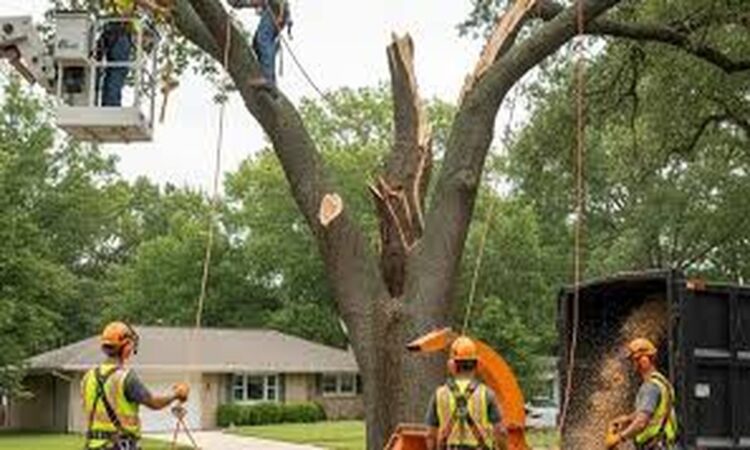
Tree removal crews typically use chainsaws, chippers, and aerial lifts. These tools enable safe and efficient handling of both high and large trees. Specialized equipment guarantees secure removal, especially in tight spaces.
Is stump removal included in the emergency tree removal service?
It depends on the service provider. Some companies offer stump removal as part of their package, while others may charge separately. Homeowners should clarify whether stump grinding is included during the estimate discussion.
What qualifications should one look for in a tree removal service?
Essential qualifications include proper licensing, liability insurance, and relevant experience. Membership in professional organizations, such as the International Society of Arboriculture, is a good sign of adherence to industry standards.
Can insurance help cover emergency tree removal costs?
Insurance coverage for tree removal can vary widely. Homeowners should check their policies to understand coverage and explore claim options post-damage. It’s advisable to document all damages for the insurance process.