Key Takeaways
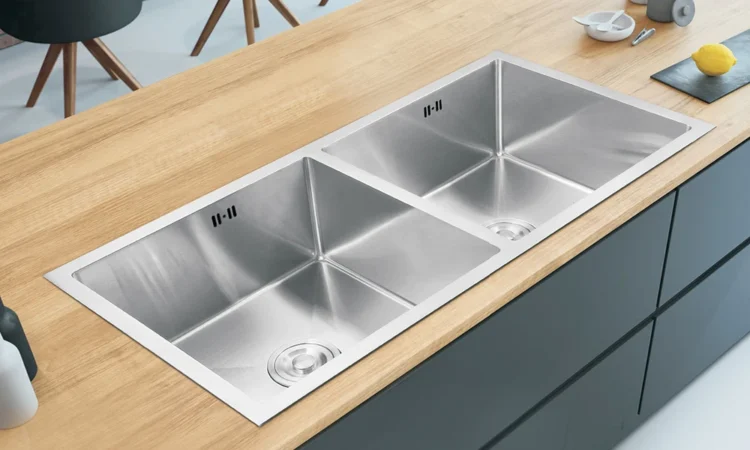
All-in-one kitchen sinks enhance the look and functionality of any space. By minimizing seams, they reduce the risk of leaks and make cleaning a breeze. Their integrated design not only contributes to a cohesive kitchen aesthetic but also boosts durability.
These sinks streamline kitchen work by combining food preparation, washing, and draining tasks in one spot. This allows home chefs to move efficiently without the clutter of drying racks getting in the way.
Crafted from materials like composite acrylic and stainless steel, all-in-one sinks resist scratches, stains, and high temperatures, which is essential for maintaining cleanliness in busy kitchens.
When choosing an all-in-one sink, getting the size right is vital. It should fit within the kitchen layout effectively, maximizing utility while avoiding overwhelming the space.
Higher-end sinks come with various features, including built-in dish racks, smart tech, and sound insulation. These additions boost convenience and elevate the overall kitchen experience.
The choice of color and finish plays a significant role in defining a kitchen’s character-options vary from sleek, glossy modern styles to warm matte finishes suitable for traditional designs.
Proper installation of all-in-one sinks requires thoughtful planning. Homeowners must also be aware of common pitfalls, like improper sealing or drainage issues, to guarantee a successful setup.
The Surprising Benefits of All-in-One Kitchen Sinks
Streamlined Design: Enhancing Aesthetics and Functionality
In modern homes, aesthetics combined with functionality isn’t just an objective; it’s a necessity. All-in-one kitchen sinks fulfill this dual requirement remarkably well. With integrated draining boards and composite materials, these sinks save space and simplify kitchen workflows. By merging the sink with the countertop, they create an uncluttered and cohesive appearance that unifies the kitchen. The allure of clean lines and a minimalist vibe appeals to design enthusiasts and practical homeowners alike.
However, it’s not just about visuals. This design choice minimizes seams, reducing the likelihood of leaks and emphasizing durability. With the elimination of crevices where food particles can accumulate or mold can develop, users can enjoy a more efficient cooking experience, leading to increased productivity and cooking pleasure.
Time Savers: How All-in-One Sinks Optimize Kitchen Workflow
Cooking can sometimes feel chaotic, but specific tools can make a significant difference. An all-in-one sink streamlines food preparation, washing, and draining tasks. With everything centralized and no separate drying racks cluttering the area, home chefs can glide between tasks effortlessly. Gone are the days of wasting precious time searching for utensils when everything is conveniently within arm’s reach.
- Multi-functionality: Many all-in-one sinks are equipped with built-in cutting boards and colanders, making workflows smoother.
- Easy Clean-up: Built-in drainage systems mean less hassle when dealing with dishwater and cleanup.
- Simplified Organization: Designated spaces for dishes, utensils, and food prep make kitchen organization second nature.
The result? A kitchen that transforms from a mere cooking area to a space for enjoyment. Every feature is geared toward encouraging creativity and culinary expression rather than hindering it.
Durability Meets Design: Materials That Stand the Test of Time
In high-traffic kitchens, durability is non-negotiable. Homeowners need materials that withstand wear and tear. Many all-in-one kitchen sinks are made from robust materials like composite acrylic or stainless steel. These compounds resist scratches, stains, and tarnishing, making them superior to traditional sink varieties.
“A well-chosen sink should outlast the appliances around it.”
It’s not just about resilience either. The right sink material offers significant advantages in heat resistance and hygiene. Options that feature antimicrobial attributes or heat-resistant surfaces provide added assurance in the hustle and bustle of today’s busy kitchens.
Choosing the Right All-in-One Sink for Your Kitchen Layout
Size Matters: Finding the Perfect Fit for Your Space
Selecting an all-in-one kitchen sink involves more than just aesthetics; space considerations are critical. The dimensions of the kitchen dictate the ideal fit. A sink that’s too large can overwhelm a small kitchen, while one that’s too small can limit functionality. Homeowners ought to evaluate their kitchen layout thoroughly. Considering counter space, cabinet height, and overall flow is essential for a successful selection.
- Big Kitchens: Spacious sinks are ideal for busy families and enthusiastic chefs.
- Compact Spaces: A smaller, more refined sink saves essential space without sacrificing functionality.
- Standard Sizes: Familiarizing oneself with standard dimensions helps avoid overspending or needing cabinet alterations.
Choosing the appropriate size can lead to a kitchen that feels less cramped and more elegant.
Features that Wow: What Premium Sinks Offer
When it comes to features, the possibilities are extensive. Premium sinks might boast built-in dish racks, pull-out sprayers, or even smart technologies, such as automatic sensors that dispense water. These innovations can elevate an ordinary kitchen to a culinary command center.
- Integrated Accessories: Look for sinks with detachable parts that ease setup and storage.
- Smart Technology: Touchless faucets enhance convenience and hygiene.
- Sound Insulation: Features that dampen noise can significantly improve the kitchen environment, allowing for quiet conversations during meal prep.
Investing in a sink that includes thoughtful features not only saves time but also adds an element of luxury to everyday tasks. Every detail contributes to a blend of functionality and style.
Color and Finish: Matching Your Sink to Your Kitchen’s Style
The sink’s color and finish can act as either a statement piece or a subtle enhancement. All-in-one sinks are available in various hues, finishes, and textures. Opting for a high-gloss finish can invigorate a modern kitchen, whereas matte finishes may impart warmth and elegance to traditional designs.
- Classic Whites: Timeless and versatile, fitting almost any style.
- Bold Colors: These can dramatically influence the ambiance of the space and refresh ordinary cabinetry.
- Textured Finishes: Unique textures can intrigue guests and elevate visual interest.
Color is more than just an aesthetic choice; it helps define the kitchen’s character, inviting comfort or sparking admiration.
Installation Insights: Making the Switch to an All-in-One Sink
DIY or Professional? Weighing Your Installation Options
Deciding whether to install an all-in-one sink independently or hire professionals can impact both project duration and quality. Though many homeowners opt for DIY to save on costs, the complexities of plumbing and sealing make a professional installation an appealing option.
Professionals recommend reflecting on these questions:
- How confident is the individual in their plumbing skills?
- Has there been previous experience installing a sink?
- What’s the comfort level with potential complications?
While DIY can be satisfying and budget-friendly, it’s not always the most prudent choice. Professionals ensure that the installation adheres to codes and deftly manage unforeseen challenges.
Essential Tools and Tips for a Smooth Setup
For those taking the DIY route, gathering proper tools is crucial. Basic plumbing tools, caulk, plumbing tape, and quality fittings become indispensable. The objective is to ensure everything runs smoothly from the first day.
- Essential Tools: Collect wrenches, a basin wrench, and a utility knife to handle various aspects of the sink installation.
- Careful Measurements: Double-check dimensions before cutting to prevent costly mishaps.
- Test for Leaks: After installation, verifying for leaks should be the top priority before returning to standard use.
These insights aim to prepare those who take on the task themselves. A keen focus on detail guarantees a more efficient project flow.
Avoid Pitfalls: Common Missteps in Sink Installation
With so many components to juggle during installation, it’s easy for issues to arise. Anticipating potential pitfalls based on common mistakes is essential. Challenges may range from poor sealing causing leaks to overlooking drainage issues that could result in bigger headaches down the line.
- Wrong Drain Size: Mismatched drains can trigger clogs and complications.
- Failing to Level: An unlevel sink can create continuous drainage problems.
- Poor Sealing: Insufficient caulk may lead to leaks, resulting in long-term issues.
Understanding these potential missteps paves the way for smoother installations. A proactive approach to setup promotes future success.
Maintaining Your All-in-One Sink: Tips for Longevity
Daily Care: Simple Habits for Sparkling Surfaces
Once that all-in-one sink is in place, care must continue. Establishing daily habits leads to long-term benefits. Rinsing the sink clean after use and drying it with a soft cloth helps prevent stains and mineral buildup. These minor actions are quick but can keep surfaces looking brand new.
- Microfiber Cloths: Ideal for gentle cleaning that discourages scratches.
- Enhancing Shine: Solutions like vinegar and water can serve as effective cleaners without damaging finishes.
- Routine Inspection: Keeping watch for signs of wear can help catch problems before they escalate.
Establishing regular habits simplifies care, and consistency ultimately contributes to longevity.
Dealing with Stains: Best Practices for Different Materials
Homeowners may face varying challenges based on their sink’s material, each requiring specific care methods. Composite sinks typically resist staining but might still need special cleaners. On the other hand, stainless steel sinks, known for their robustness, should steer clear of abrasive products that could scratch their surface.
- Composite: Employ a soft sponge with soap for gentle scrubbing that preserves surface integrity.
- Stainless Steel: Use a mild detergent and occasionally wash with baking soda to maintain shine.
- Granite and Quartz: Non-abrasive cleaners are best for these materials.
Tailoring the care approach for each sink ensures that every one maintains its pristine quality, fulfilling its role as a pivotal kitchen feature.
Seasonal Checks: Ensuring Your Sink Stays in Top Condition
Seasonal changes bring about unique maintenance requirements. Taking a moment to inspect plumbing and seals can ward off potential issues. Homeowners might consider developing a seasonal checklist focused on their all-in-one sink to guarantee consistent upkeep.
- Springtime Clean: Deep cleaning and checking for plumbing vulnerabilities are in order.
- Winter Preparations: In colder climates, it’s essential to inspect for signs of freeze-induced stress.
- Preventive Maintenance: Scheduling periodic professional checks can greatly extend a sink’s lifespan.
Attention to seasonal upkeep practices ensures that a kitchen remains functional and visually appealing. The right maintenance routine solidifies long-term value.
FAQ
What are the primary materials used in all-in-one kitchen sinks?
All-in-one kitchen sinks are typically constructed from materials like composite acrylic and stainless steel. These materials are specifically chosen for their durability, heat resistance, and hygiene, making them well-suited to the demands of a busy kitchen.
How do all-in-one kitchen sinks differ from traditional sinks?
The key distinction is in their integrated design, which reduces seams, enhancing both aesthetics and functionality. Traditional sinks often require separate countertops, which create multiple joints that can lead to leaks; all-in-one models, in contrast, offer a unified look and improved usability.
What types of features can be found in premium all-in-one sinks?
Premium all-in-one sinks may come with integrated accessories like built-in dish racks, pull-out sprayers, and smart technologies such as touchless faucets. These features enhance convenience and efficiency, making everyday kitchen tasks more manageable.
What should be considered when choosing the finish for an all-in-one sink?
Selecting a sink finish calls for a balance between aesthetic appeal and practicality. High-gloss finishes can inject a contemporary flair, while matte options may promote warmth. It’s crucial to consider the overall kitchen design and how the finish enhances the intended atmosphere.
How does the size of an all-in-one sink affect kitchen functionality?
The size of an all-in-one sink directly influences workflow in the kitchen. A sink that’s too large can dominate a small space, while one that’s too small may compromise efficiency. Assessing the kitchen layout and ensuring proportionality improves usability and visual balance.
What maintenance tips can extend the lifespan of an all-in-one sink?
Regular maintenance is essential for longevity. Homeowners should rinse the sink after each use, dry it with a soft cloth, and conduct periodic inspections to identify early signs of wear. Following a gentle cleaning routine can help preserve its original look and function.
Are there different cleaning methods for various sink materials?
Yes, each material demands specific cleaning approaches. For example, composite sinks benefit from gentle scrubbing with soap, while stainless steel is best cleaned with mild detergents and occasional baking soda treatments to maintain its shine. Adjusting cleaning methods ensures each material stays in excellent condition.
What are the advantages of professional installation versus DIY for these sinks?
While DIY installation may save costs, professional installation ensures compliance with plumbing codes and minimizes potential issues related to poor sealing or drainage. Hiring an expert can save time and lead to a hassle-free setup, especially for those less familiar with plumbing details.