

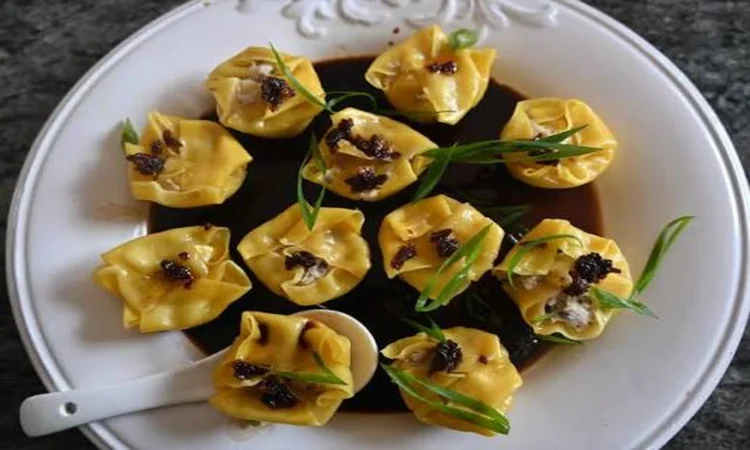

Mini dumplings can belong on an adult dinner plate when you like the filling and plan the rest of the meal around them. Their size describes a format, not an age group. Choose what you want to eat, give it an appropriate accompaniment and judge the amount from the actual package and your appetite rather than from assumptions about small food.
The distinction is useful in a home kitchen where the same ingredients may serve several purposes. A food that appeared on an appetizer tray one evening can become the main component of a seated meal another day. What changes is the arrangement, the accompanying food and the reason you are serving it.
Separate size from who the food is for
Small food is often presented casually, with dipping bowls and a shared tray. That presentation does not determine who should eat it. An adult might prefer mini dumplings because they enjoy the format or want to combine a modest amount with another dish. There is no need to justify that preference by calling the meal a children’s dinner.
Nor does a smaller individual piece establish that a product is lighter, healthier or more economical. Those are separate questions requiring the relevant label and price information. If the choice is between full-size and mini dumplings, begin with how you want to serve them, not a nutritional conclusion drawn from their appearance.
A seated supper can be as informal as a plate beside a kitchen window or as deliberate as a table set for two. Either way, decide where the food and utensils will go. A small format may make you think of finger food, but sauce, temperature and personal preference can make a fork and plate the more comfortable arrangement.
Consider the evening you actually have. If you want to read while eating, keep the meal manageable on one plate. If you are sharing dinner with a partner, individual servings may be more convenient than repeatedly reaching across a dipping tray. The format should support the occasion rather than dictate a party-style setup.
Choose a filling you want to eat
The filling remains the central purchase decision. Holy Perogy’s Poppin’ Cheddar Bites contain potato and cheddar, while Cheeky Chicken Bites contain chicken and onion. The latter are mini dumplings, not nuggets. Choosing between them means choosing between two filling directions, not simply selecting different names for the same snack.
A shopper considering frozen pierogi choices in Brooklyn can compare those descriptions with the full-size varieties before deciding whether the mini format adds anything to tonight’s meal. If potato and cheddar is what you want, the question becomes how you prefer it arranged and served. If chicken and onion appeals, plan around that specific filling.
There is no obligation to buy both varieties to make dinner feel complete. One preferred filling can be enough for the dumpling component. Buying a second bag solely to create variety may complicate preparation and leave you with more food to organize. Add another filling when someone wants it or when it serves a clear purpose.
Read the current package for ingredients and preparation details. The mini format does not remove the need to check requirements, and it does not make the food ready to eat. These products are sold frozen and uncooked. Keep them frozen and use the directions for the variety you bought.
Build a plate beyond the dipping bowl
A dip can be enjoyable, but it need not define the entire dinner. Start with an accompaniment you would be happy to eat in its own right. A crisp vegetable dish, a simply prepared cooked vegetable or another suitable food already in your kitchen can give the dumplings a place within a larger meal.
Imagine the plate before choosing the sauce. If you are serving potato-and-cheddar bites alongside a sharply dressed cabbage side, you may prefer a small amount of a mild condiment or no dip at all. With chicken-and-onion dumplings and a plain vegetable, a favorite sauce might supply the flavor you want. Choose the version that fits the vegetables and condiments you already enjoy, and adjust the amount of sauce on your own plate.
Keep contrasting foods distinct where that helps. Placing a dressed side next to the dumplings lets you decide whether to combine them in each bite. Pouring dressing over the entire plate commits everything to the same finish. Neither is automatically wrong, but the choice should reflect the texture and flavor you intended.
Use a small separate dish for a condiment if you want control over how much accompanies each bite. That can also make the main plate easier to arrange. Resist the urge to set out every sauce in the refrigerator simply because the food is small enough to dip; several competing flavors can obscure the filling you chose.
For a shared household meal, let people finish their own plates where practical. One person may want a pronounced sauce while another prefers to taste the filling without it. The same cooked component can support both preferences without turning supper into several separate cooking projects.
Judge the portion from the package and your appetite
A piece count taken from a photograph is not a useful dinner rule. Look at the package information, consider the other food you are serving and decide what amount makes sense for you. A small dumpling does not carry a universal serving instruction merely because another product looks similar.
Keep a distinction between what you prepare and what remains frozen. You do not have to cook an entire package to prove that it is a dinner food. Plan the amount you intend to eat and follow the package’s storage and preparation directions. If you do make leftovers, handle them as cooked food rather than returning them to the category of uncooked frozen product.
After the meal, notice what worked: the filling, the accompaniment and the amount you chose. Those observations are more useful for your next supper than the label “snack.” If the plate suited your taste and the evening, mini dumplings have already earned their place in your adult kitchen.