Introduction
Fire safety is an important responsibility for property owners, especially when a building has increased fire risks or its normal protection systems are temporarily unavailable. Fire watch provides additional monitoring during these situations and can help identify hazards before they become serious. Property owners should understand how fire watch works and follow practical safety measures to ensure it is carried out effectively. Proper planning, trained personnel, and regular monitoring can help protect people, buildings, equipment, and valuable property.
When system outages or high-risk construction activities occur, hiring experienced professionals like The Fast Fire Watch Company ensures that your building remains compliant with local fire codes while maintaining round-the-clock surveillance. Bringing in dedicated guards allows property managers to bridge the gap during maintenance periods seamlessly, mitigating potential liabilities before safety systems are fully restored.
Identify When Fire Watch Is Needed
Property owners should determine when fire watch may be necessary. Common situations include fire alarm or sprinkler system outages, hot work, construction, maintenance, and other activities that increase the risk of fire.
Understanding the conditions that require additional monitoring helps ensure suitable safety measures are put in place.
Use Trained Fire Watch Personnel
Fire watch should be assigned to individuals who understand their responsibilities and know how to respond to potential fire hazards. They should be familiar with the property, emergency procedures, exits, and available firefighting equipment.
Proper training helps fire watch personnel perform their duties confidently and effectively.
Conduct Regular Inspections
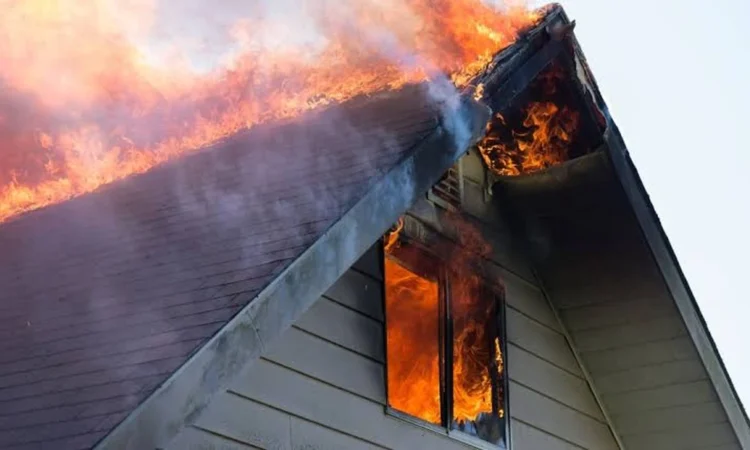
Fire watch personnel should regularly inspect the designated areas and look for smoke, flames, sparks, unusual heat, and other warning signs.
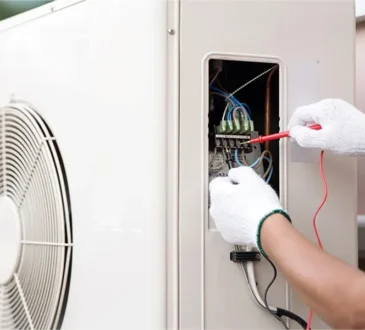
They should also identify combustible materials, blocked exits, unsafe electrical conditions, and other hazards that could increase the risk of fire.
Keep Emergency Equipment Accessible
Fire extinguishers and other emergency equipment should remain visible and easy to access. Emergency exits, stairways, and pathways should also be kept clear.
Maintaining clear access allows occupants and emergency responders to move safely if a fire occurs.
Pay Attention During Hot Work
Property owners should take extra precautions when activities such as welding, cutting, or grinding are being performed. These tasks can produce sparks and high temperatures that may ignite nearby materials.
Fire watch personnel should monitor the area during the work and continue checking for possible fire hazards afterward when required.
Maintain Clear Communication
Property owners should ensure that workers, occupants, and responsible staff understand when fire watch is in effect. Everyone should know how to report a fire and what actions to take during an emergency.
Clear communication helps reduce confusion and supports a faster response.
Document Fire Watch Activities
Keeping records of inspections, identified hazards, corrective actions, and monitoring periods can help property owners maintain better safety practices.
Proper documentation can also help identify repeated issues and areas that may require additional attention.
Restore Protection Systems Promptly
Temporary fire watch should not replace permanent fire protection systems. Property owners should arrange necessary repairs and maintenance without unnecessary delays.
Once fire alarms, sprinklers, or other systems are properly restored and tested, normal fire protection can resume according to established procedures.
Conclusion
Effective fire watch requires careful planning and consistent attention. Property owners can improve fire safety by identifying when fire watch is needed, using trained personnel, conducting regular inspections, keeping emergency equipment accessible, monitoring hot work, maintaining communication, documenting activities, and restoring protection systems promptly. Following these best practices provides an additional layer of protection and helps property owners reduce fire risks while maintaining a safer environment for occupants and workers.