A house on the Gulf Coast ages on a faster clock than one built two hundred miles inland. The same roof, the same coat of paint, the same run of gutters will simply give out sooner here. Home inspectors who work the coast see it constantly. Systems rated for fifteen or twenty years often tap out at ten or twelve, exterior paint that lasts eight years up north starts chalking after five near the water, and roofs tend to retire a few seasons ahead of the number printed on the box. Nothing is wrong with the materials. The climate just runs them harder.
What wears them down is rarely a single culprit. Humidity that sits between sixty and eighty percent for much of the year keeps wood damp enough to invite rot and mildew. Salt drifting in off the water settles on metal and holds moisture against it, so flashing, fasteners, and hardware corrode long before anyone expects them to. Overhead, relentless sun cooks the binders that hold paint and sealant together. Then hurricane season arrives from June through November and adds wind and flying debris to a house that has already spent nine months under quieter pressure. Storm protection tends to grab the attention, but it is only the loudest part of a year-round contest.
This is the kind of local knowledge that separates a remodel built to photograph well from one built to survive the coast. A company like Direct Source Renovations, which has worked homes across Louisiana, Mississippi, and Alabama since the early nineties, tends to spec a roof or a set of shutters around the way weather actually behaves near the water rather than the way it reads on a warranty card. Three decades in one climate teaches a crew which parts fail first and which choices quietly pay for themselves.
Where the trouble usually starts
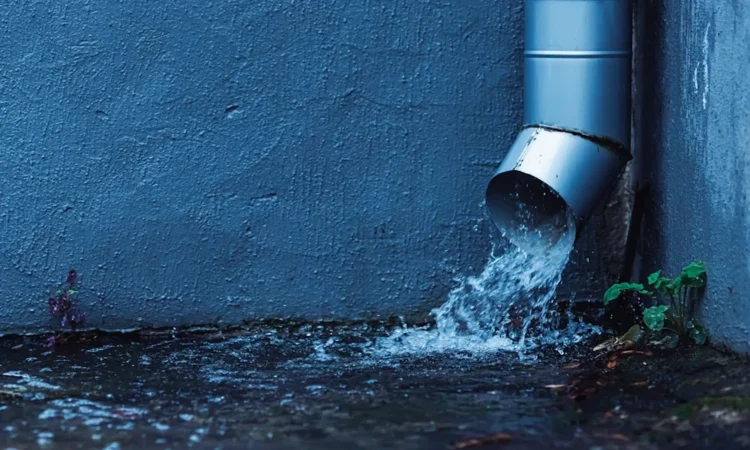
It rarely begins where homeowners look. On most coastal roofs, the shingles or panels outlast the metal around them. Flashing at the chimney, the drip edge along the eaves, the valley linings, and the fasteners holding everything down are the first to rust and lift, which is why a roof can leak while the field of it still looks fine. Gutters and their brackets follow the same path. That is the argument for treating the small metal details as seriously as the big surfaces, choosing corrosion resistant hardware, and inspecting the edges and penetrations rather than trusting the broad expanse in the middle. Catching a failing drip edge is cheap. Replacing the decking it let rot is not.
Materials that make peace with the damp
Because moisture is the constant threat, the materials that thrive here are the ones that refuse to hold water. Fiber cement siding has become a Gulf Coast favorite for exactly that reason. It does not swell, feed mold, or tempt termites the way wood can, and it holds paint far longer in humidity. Steel and quality vinyl each have their place, while untreated natural wood tends to be the first thing to warp and cup once the damp settles in. The same logic runs through the whole envelope. Closed cell insulation and well sealed soffit and fascia keep humid air from wandering into places it can condense. The aim is a shell that breathes where it should and stays sealed where it must, so the house is not quietly wetting itself from the inside.
Guarding the openings before the wind finds them
Windows and doors are where a storm does its worst, since one broken opening lets pressure inside and can lift a roof from below. There are two honest ways to defend them. Deployable protection covers roll down, accordion, Bahama, and colonial shutters, all of which shield the glass when a storm is coming and let the house breathe the rest of the year. Impact rated windows take the opposite approach and stay ready every day, with nothing to close and no scramble if a system moves in while the family is away. Neither is wrong. The setup that protects a home is the one the household will actually use, and both share one unforgiving rule. Every opening has to be covered. A single unguarded window can undo the protection the others provide.
Turning storm ready work into a smaller bill
Hardening a house does more than keep the rain out. It can lower what a family pays to insure it. Carriers along the coast file wind mitigation credits that reward proven protection, and the savings apply to the wind portion of a premium, which in coastal country can be a large slice of the total. Protecting the openings with certified shutters or impact windows commonly earns somewhere between five and twenty five percent off that portion, and combining shutters, a fortified roof, and reinforced doors can push the credit considerably higher. Louisiana even runs a grant program that helps homeowners fund a fortified roof, and state law directs qualifying insurers to recognize documented mitigation work. The catch is paperwork. Product labels, approved submittals, and before and after photos are what turn a good installation into an actual discount, so it pays to keep that file rather than let the evidence vanish behind fresh drywall.
Building for the season after this one
The smartest coastal remodeling looks past the next storm. Screen rooms, sunrooms, insulated patios, and carports all extend how a family lives with the weather instead of hiding from it, yet they answer to the same climate as the roof and have to be built for it. A porch enclosure framed with the wrong metal becomes a rust streak within a couple of summers. Done right, the same space stays comfortable through August and stands through November. That is the real return on coastal work. A house chosen for humidity, salt, sun, and wind costs less to maintain, weathers each season with fewer surprises, and holds its value when it is time to hand the keys to someone else. On this stretch of coast, durability is not a luxury upgrade. That is the whole point.