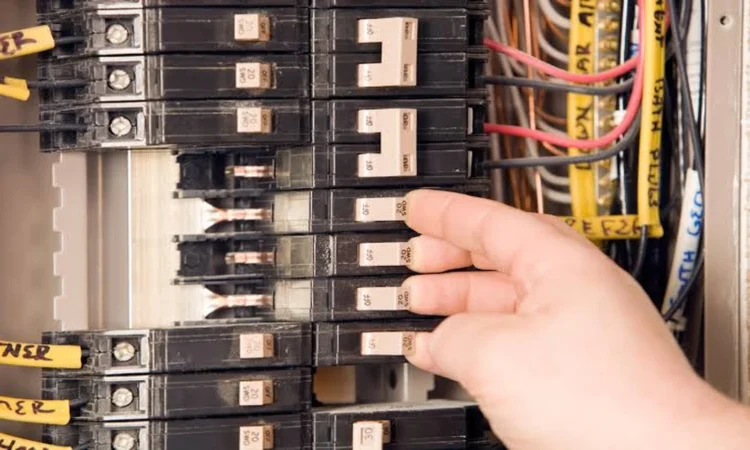
Tucked away in a garage, basement, or utility closet, the electrical panel is the control center of your home. Every light, outlet, appliance, and device depends on it, yet most people only open the door when a breaker trips. That is a missed opportunity. A panel communicates constantly through its age, its labels, its sounds, and the way it behaves under load. Learning to read those signals helps you catch problems early and decide when it is time to call in a professional. If you ever need a hand interpreting what you see, a licensed team like Arrowhead Electric can inspect the panel and explain what it means for your home.
Rather than covering wiring, lighting, or appliance safety in general, this article is built around the panel itself and the messages it sends.
Message One: The Breaker That Keeps Tripping
A breaker is a safety device, and tripping is its way of protecting your home from too much current. An occasional trip when you run a space heater and a microwave on the same circuit is not unusual. A breaker that trips repeatedly is different.
Possible reasons include:
- Overload, where too many devices share one circuit
- Short circuit, where a hot wire touches another wire or a grounded surface
- Ground fault, where current takes an unintended path
- A worn breaker, which may trip at lower loads than it should
Resetting a breaker again and again without finding the cause is risky. If it keeps happening, have it checked.
Message Two: Warmth, Buzzing, or a Burning Smell
A panel should be quiet and cool. Pay attention if you notice:
- A buzzing, crackling, or sizzling sound
- A warm or hot panel door or breaker
- A burning or fishy odor near the panel
- Discoloration, scorch marks, or melted plastic
Any of these can signal loose connections or overheating. Do not open the panel cover or touch internal parts. Turn off appliances if it is safe to do so, and contact a qualified electrician right away. If you see smoke or sparks, leave the area and call emergency services.
Message Three: The Label Tells a Story
Open the panel door, and you will usually find a list of circuits. A clear, accurate directory is more than a convenience. In an emergency, you need to shut off the right circuit quickly. Look at your labels:
- Are they legible and up to date?
- Do they match what each breaker actually controls?
- Are there mystery breakers nobody can identify?
- Has the home been remodeled without the labels being updated?
An outdated directory often points to changes made over the years, sometimes without proper planning or permits.
Message Four: The Age of the Equipment
Panels do not last forever. Components wear, and older designs may not meet modern safety expectations. The age and brand of your panel can matter. Some older panel types have been associated with reliability concerns, and homes with very old wiring may lack protections now considered standard. The U.S. Consumer Product Safety Commission shares helpful background on electrical safety in its home electrical safety resources, which is a good place to learn what to watch for in an older house.
Check the manufacturer label inside the door for the brand and date. If your home is several decades old and the panel has never been evaluated, a professional inspection is a sensible step.
Message Five: Not Enough Room for Modern Life
Today’s homes carry more electrical demand than houses built a generation ago. Electric vehicle chargers, home offices, hot tubs, induction ranges, and extra refrigerators all add load. Signs that your panel may be reaching its limits include:
- Breakers that trip when you add a new appliance
- No open slots for new circuits
- Extension cords and power strips running everywhere
- Dimming lights when large appliances turn on
- Plans for a major addition or renovation
If you are planning to add a large new load, ask an electrician whether your service capacity can handle it before purchasing equipment.
Message Six: Safety Features You May Be Missing
Modern codes call for certain protective devices in specific areas of the home. Two common examples are:
- GFCI protection, which helps guard against shock in damp areas such as kitchens, bathrooms, garages, and outdoors
- AFCI protection, which helps detect dangerous arcing in wiring that can lead to fires
Many older homes do not have these protections everywhere. A professional can tell you what your home has and what upgrades would be worthwhile.
What You Can Safely Do Yourself
Not everything requires a service call. Safe homeowner habits include:
- Keeping the area in front of the panel clear and accessible
- Making sure the door closes properly
- Testing GFCI outlets monthly using the test and reset buttons
- Testing smoke and carbon monoxide alarms regularly
- Writing down questions or symptoms to share with an electrician
- Updating the circuit directory with an electrician’s guidance
What You Should Never Do Yourself
Electrical panels contain live parts even when the main breaker is off. Never remove the panel cover, replace breakers, or touch the wiring unless you are a trained, licensed professional. Do not tape over a breaker to keep it from tripping, and do not swap a breaker for a larger one to stop nuisance trips. A larger breaker can allow wiring to overheat, which defeats the safety purpose.
When to Schedule a Professional Inspection
Consider an inspection if:
- You have just bought an older home
- The panel is original and decades old
- Breakers trip regularly
- You are planning a remodel, addition, or new high-demand equipment
- You notice flickering lights, warm outlets, or buzzing sounds
- The home has never had its electrical system evaluated
Ask the electrician to explain what they find in plain language, show you any concerns, and separate urgent issues from upgrades that can wait.
Final Thoughts
Your electrical panel is quietly working every moment of the day, and it gives clues when something is wrong. A tripping breaker, a warm panel, a faded directory, or a lack of space for new circuits are all messages worth listening to. Stay curious, keep the area clear, and leave the hands-on work to licensed professionals. A little attention now can protect your home, your family, and your peace of mind for years to come.