Top 10 Signs You Have a Pest Infestation in Your Home and How to Act Fast

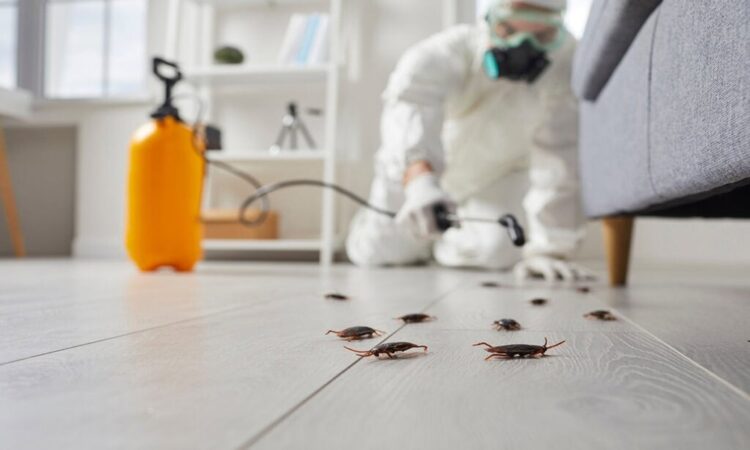
Pest infestations can cause serious damage to your home and pose health risks to your family. Detecting a problem early is the key to preventing costly repairs and maintaining a safe living environment. From termites silently damaging your wood to rodents spreading germs, knowing the warning signs can help you act quickly. Here are the top 10 signs that you may have a pest infestation and what steps to take immediately.
1. Droppings or Urine Stains
One of the most obvious signs of pests is the presence of droppings or urine stains. Rodents, such as rats and mice, leave small, dark droppings around food storage areas, cupboards, and along walls. Cockroaches and other insects also leave droppings that can resemble small black specks. If you notice unusual stains on floors, countertops, or walls, it is essential to investigate further and contact a professional like Swift Pest for inspection.
2. Strange Noises
Hearing scratching, scurrying, or squeaking sounds at night can indicate a rodent problem. Termites and carpenter ants may also produce faint rustling noises within walls or ceilings. These sounds often go unnoticed until the infestation is significant. If you detect unusual noises coming from your attic, walls, or basement, it is time to schedule an inspection.
3. Visible Damage
Physical damage is a clear sign of pests. Chewed wires, gnawed furniture, and holes in walls or flooring often indicate rodent activity. Termites leave behind hollowed wood, mud tubes, or blistered wood surfaces. Carpenter ants may create sawdust-like piles near wooden structures. Any visible structural damage should be addressed immediately to prevent further destruction.
4. Unpleasant Odors
Persistent foul smells in your home can signal a pest infestation. Rodent urine and droppings produce strong ammonia-like odors. Dead insects or rodents hidden in walls or attics also create a noticeable stench. If you detect unusual smells that do not go away with regular cleaning, a professional inspection can identify the source.
5. Nesting Materials
Pests often create nests using shredded paper, fabric, or insulation. Rodents are known for dragging materials into hidden corners to build their homes. Birds or squirrels may also take up residence in attics or chimneys. Finding piles of shredded material or unusual debris in your home is a warning sign that pests have established themselves.
6. Gnaw Marks or Chewed Items
Rodents have a constant need to gnaw to keep their teeth healthy. Check for bite marks on furniture, walls, electrical wires, or stored food. Damage to stored boxes or pantry items may also indicate a rodent problem. Gnaw marks are often accompanied by droppings or footprints, making it easier to identify the culprit.
7. Tracks or Footprints
In dusty or muddy areas, you may notice small footprints or tail marks from rodents. Ants leave visible trails leading to food sources, and cockroaches often leave streaks of excrement along their paths. Identifying tracks can help determine the type of pest and the extent of the infestation.
8. Holes in Walls or Baseboards
Small holes or gaps in walls, baseboards, or flooring can provide entry points for pests. Rodents can squeeze through very narrow spaces, while insects may enter through cracks around windows, doors, or plumbing. Sealing these openings is important, but professional pest control can ensure there are no hidden infestations.
9. Increased Pest Sightings
Seeing pests during the day or in areas where they are usually hidden is a serious warning sign. Rodents are nocturnal, so daytime activity may indicate an overpopulation. Similarly, spotting ants, cockroaches, or spiders regularly indoors suggests a growing infestation that needs immediate attention.
10. Damage to Food or Plants
Pests often target food and indoor plants. Rodents will chew packaging or contaminate food with droppings. Insects may damage fruits, vegetables, or houseplants. If you notice holes, bite marks, or wilting plants, it may indicate pests have entered your home.
How to Act Fast
Early detection and prompt action are essential to prevent extensive damage. Start by identifying the type of pest and the areas affected. Clean up droppings, seal entry points, and remove food or water sources that attract pests. While some minor issues may be managed temporarily, professional pest control services are often the most effective solution. Experts like Swift Pest provide thorough inspections and targeted treatments to eliminate infestations safely and efficiently.
Preventing Future Infestations
Once your home is pest-free, prevention is key. Regularly inspect your home for new entry points, maintain cleanliness, and store food in sealed containers. Trim vegetation around the house, repair leaks, and ensure proper drainage to reduce attractants for pests. Consistent monitoring and maintenance will help keep your home safe from infestations.
Recognizing the signs of a pest infestation and taking immediate action can save homeowners from costly repairs and health risks.