Dirty air conditioner coils are a common factor behind weak airflow from a cooling system. Regular A/C coil cleaning as part of routine A/C service is a good habit to keep up with in order to get the most out of your system.
Why Clean Coils Matter
How does a coil cleaning help an air conditioner? The air conditioning process, which explains at https://www.britannica.com/technology/air-conditioning, depends on two different coils working together. Your indoor evaporator coil absorbs heat from indoor air, while the outdoor condenser coil releases it back outside. As coils age, they collect dust, pollen, lint, and (in the case of the outdoor condenser coil) outdoor debris.
All this gunk forms an insulating blanket over the tubing and fins on the coils that makes them less able to exchange heat. The result may include:
- Air conditioning system working harder (and longer) to reach set temperatures
- Reduced system performance, including warmer air from supply vents and uneven cooling throughout your home
- Reduced ability of indoor coil to pull humidity from passing air
- Higher energy bills
Note how one of the bullet points above mentions decreased ability to dehumidify your home. This is a less obvious issue but can be just as concerning as inadequate air conditioning. Dirty coils can cause high humidity in a home even when your thermostat temperature is satisfied.
What Signals a Cleaning Problem?
Reduced air conditioning performance could be caused by dirty coils. However, this is far from the only explanation, so schedule a diagnostic inspection to identify the source. Here are some possible warning signs to keep an eye out for:
- Musty odors from vents when the system first comes on
- Weak airflow from supply vents
- System seems to run longer to reach the setpoint.
- Ice on refrigerant lines or indoor unit
- Outdoor debris has built up against the condenser.
While all of these situations could be the result of restricted airflow/ heat transfer from dirty coils, they could just as likely be caused by dirty air filters, blower motor/assembly issues, incorrect refrigerant charge, thermostat settings, etc.
Professional Cleaning and Ongoing Maintenance
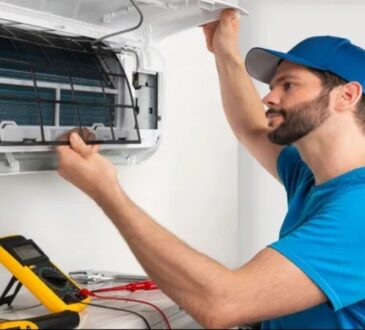
As part of a more comprehensive service, a technician will evaluate electrical connections and the system’s airflow and drainage paths, as well as the general condition of the coils. Once the rest of the inspection is complete, cleaning the coils is a comparatively straightforward process – a service route that can make the system more efficient in operation.
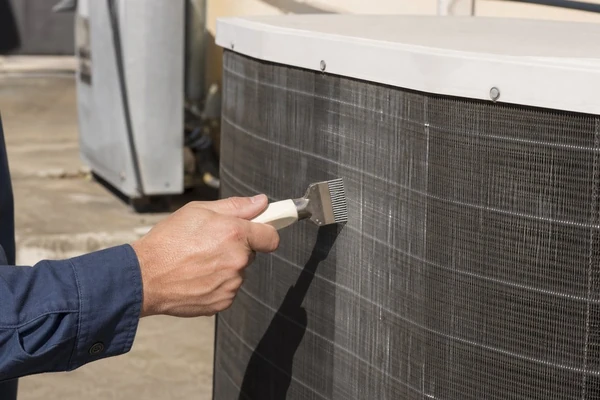
Outdoor Coil
Outdoor condenser coil cleaning is usually a quick task to perform. Debris can be washed off carefully using a gentle spray and a specialized A/C coil cleaner if needed. If some of the thin fins have become bent and kinked, they can be straightened back into shape as well.
Indoor Coil
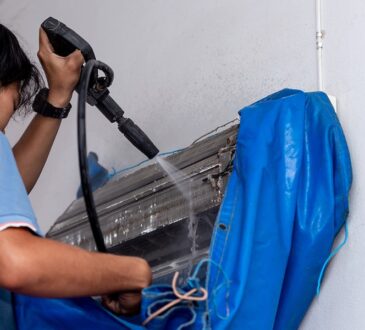
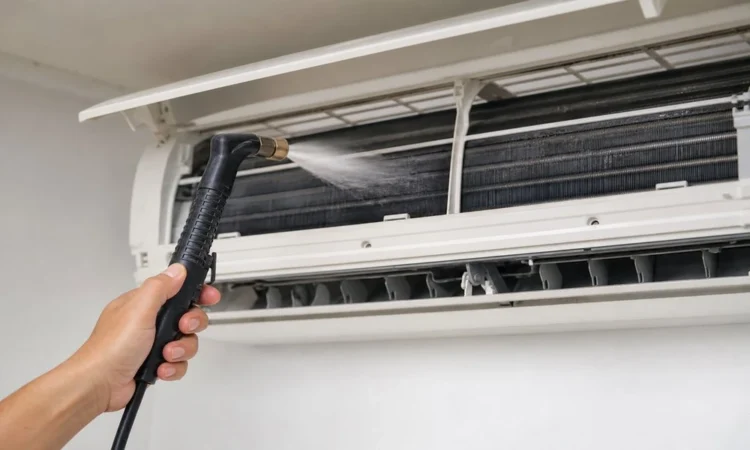
Cleaning evaporator coils can involve removing access panels to fully open the system up for inspection and cleaning. The process is a bit more complicated since care must be taken not to introduce moisture and cleaning residue into other parts of the air handler cabinet. Coil cleaning will likely be paired with flushing the condensate line as well.
Cleaning Is Not a Substitute for Other Maintenance
It’s a mistake to assume that a thorough coil cleaning is the be-all/end-all service. A lot can still go wrong with your air conditioner that won’t be addressed by cleaning the coils. The condenser unit needs to have adequate space around it to promote good airflow (24″ all around is a good rule of thumb). Overcrowding a condenser with shrubbery, fences, storage items, lawn clippings, etc. will impede its performance just the same as dirty coils can.
Likewise, it’s still important to stay on top of things like changing your air filters, keeping debris out of duct vents, etc. Coil cleaning doesn’t overcome neglect of other routine maintenance.
A Better Starting Point for Cooling Problems
While cleaning a dirty coil isn’t a panacea for A/C troubles, it is a good place to start investigating poor air conditioning performance. If your coils have become grimy enough to impede airflow/heat transfer, then cleaning will make a positive difference. Here are a few other tips to keep in mind:
- Regularly changing A/C air filters
- Keeping the area around the condenser unit free of clutter
- Listen for changes in sound when the system first comes on
- Don’t use consumer coil cleaning chemicals
- Don’t open the evaporator coil/air handler cabinet without knowing what you’re doing