Your heating and cooling system works quietly in the background-until it doesn’t. One day, it keeps your home perfectly comfortable, and the next, it struggles, breaks down, or drives up your energy bills without warning. This unpredictability is exactly why more homeowners are turning to proactive care rather than reactive fixes.
A well-structured HVAC maintenance plan is not just a service agreement. It is a practical strategy to protect one of the most important systems in your home. When maintained properly, your HVAC system becomes more reliable, efficient, and cost-effective over time. Below, we explore how simple, consistent maintenance can make a significant difference.
Prevents Unexpected Breakdowns
One of the most frustrating aspects of HVAC ownership is sudden system failure-often during extreme weather when you need it most. An HVAC maintenance plan helps identify small issues early, ensuring regular maintenance prevents them from turning into major problems.
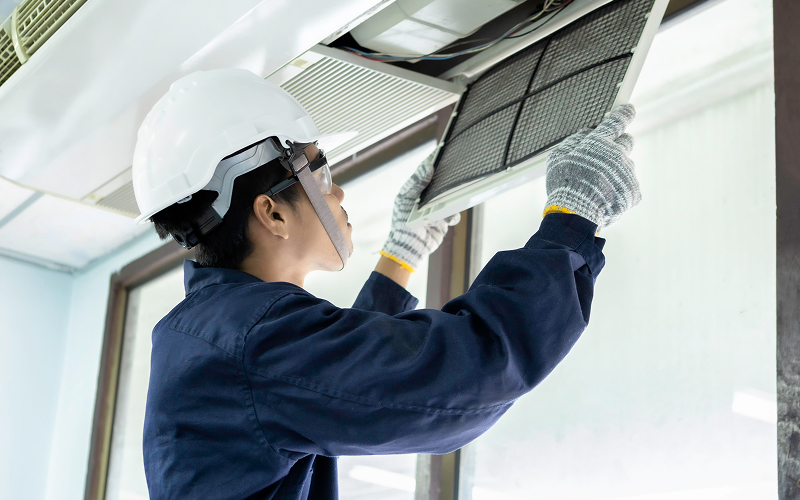
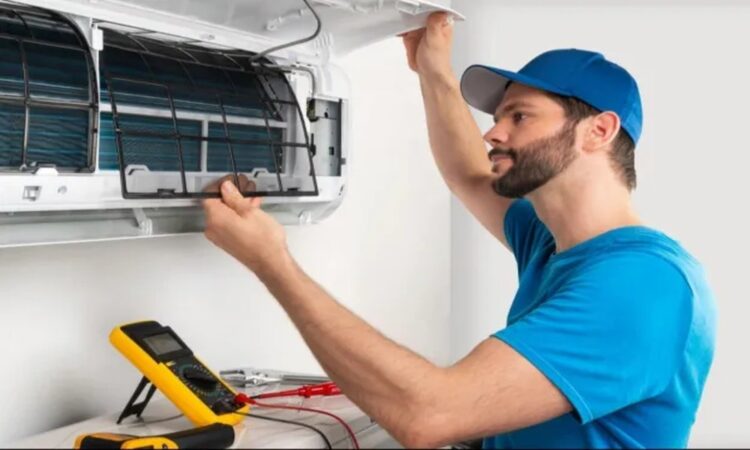
Technicians inspect components such as filters, coils, and electrical connections, ensuring everything operates as expected. For example, a worn belt or clogged filter might seem minor but can lead to system strain or a complete shutdown if ignored.
By addressing these early warning signs, a maintenance plan significantly reduces the likelihood of emergency repairs. This not only saves money but also avoids the inconvenience of living without heating or cooling when it matters most.
Improves Energy Efficiency
An HVAC system that is not maintained properly tends to work harder than necessary. Dust buildup, blocked airflow, and worn parts force the system to consume more energy to deliver the same level of comfort.
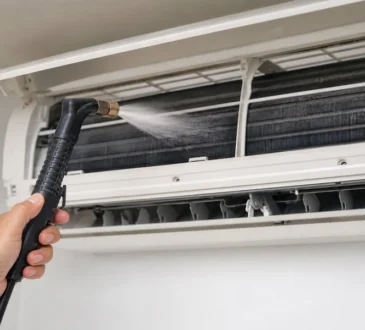
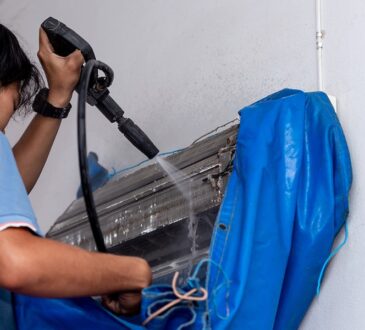
Routine servicing keeps the system clean and optimized. Filters are replaced, coils are cleaned, and airflow is balanced. As a result, the system runs more smoothly and uses less energy.
Over time, this improved efficiency can lead to noticeable reductions in energy bills. Even small gains in performance, when sustained throughout the year, contribute to long-term savings.
Extends System Lifespan
HVAC systems are a significant investment, and naturally, homeowners want them to last as long as possible. Without proper care, systems often wear out prematurely due to constant strain and overlooked issues.
A maintenance plan ensures that all components are regularly checked and serviced. This reduces wear and tear, allowing the system to operate within its intended capacity.
For instance, lubricating moving parts and tightening connections may seem like routine tasks, but they play a crucial role in preventing long-term damage. With consistent care, it is not uncommon for systems to exceed their expected lifespan.
Maintains Consistent Comfort
Uneven temperatures, weak airflow, or inconsistent cooling are common signs of an HVAC system that needs attention. These issues often develop gradually, making them easy to overlook until they become disruptive.
Regular maintenance helps keep performance balanced throughout your home. Technicians ensure that airflow is consistent, thermostats are calibrated correctly, and system output matches your comfort needs.
This results in a more stable indoor environment where every room feels as it should-comfortable and predictable throughout the year.
Protects Indoor Air Quality
Your HVAC system does more than regulate temperature; it also plays a key role in maintaining indoor air quality. Dust, pollen, and other airborne particles can accumulate within the system and circulate throughout your home.
Routine maintenance includes cleaning and replacing filters, as well as checking ducts and ventilation components. This helps reduce the presence of allergens and pollutants in the air.
Cleaner air is particularly important for households with children, elderly residents, or individuals with respiratory conditions. A well-maintained system supports a healthier living environment without requiring additional equipment.
Reduces Long-Term Repair Costs
It is easy to assume that skipping maintenance saves money. In reality, the opposite is often true. Small issues that go unnoticed can develop into costly repairs over time.
For example, a neglected coil can lead to compressor failure-one of the most expensive components to replace. Similarly, electrical faults left unchecked can damage multiple parts of the system.
A maintenance plan focuses on prevention, catching these problems early and resolving them at a fraction of the cost. Over the lifespan of the system, these savings can be substantial.
Ensures Warranty Compliance
Many HVAC manufacturers require regular maintenance as part of their warranty terms. Failure to service the system as recommended may void the warranty, leaving homeowners responsible for repair costs.
By following a structured maintenance plan, you ensure that your system meets these requirements. Service records provide proof that the system has been properly cared for, which can be crucial if a warranty claim is needed.
This added layer of protection offers peace of mind, knowing that your investment is safeguarded.
Adapts to Seasonal Demands
Your HVAC system faces different challenges throughout the year. During summer, it works harder to cool your home, while winter places demands on the heating components.
Seasonal maintenance prepares the system for these changes. Before peak usage periods, technicians can inspect and tune the system to ensure it performs efficiently under increased demand.
This proactive approach reduces strain during critical times and helps maintain consistent performance regardless of external conditions.
Supports Smart Home Integration
Modern HVAC systems are increasingly integrated with smart thermostats and home automation tools. While these technologies offer convenience and energy savings, they also require proper calibration and maintenance.
Regular servicing ensures that sensors, controls, and connections function correctly. This allows homeowners to fully benefit from advanced features such as remote access, scheduling, and energy monitoring.
A well-maintained system works seamlessly with these technologies, enhancing both comfort and control.
Final Thoughts
An HVAC system is not something most people think about until it stops working. Yet, the difference between a reliable system and a problematic one often comes down to consistent care. A structured maintenance plan offers more than routine servicing. It prevents breakdowns, improves efficiency, extends lifespan, and protects both your comfort and your investment. By addressing small issues early and keeping the system in optimal condition, you avoid unnecessary stress and expense. In the long run, maintaining your HVAC system is not just a practical decision-it is a smart one. Investing in regular care today ensures dependable performance for years to come.