What Most Tampa Homeowners Don’t Realize Before Installing a Kitchen Backsplash

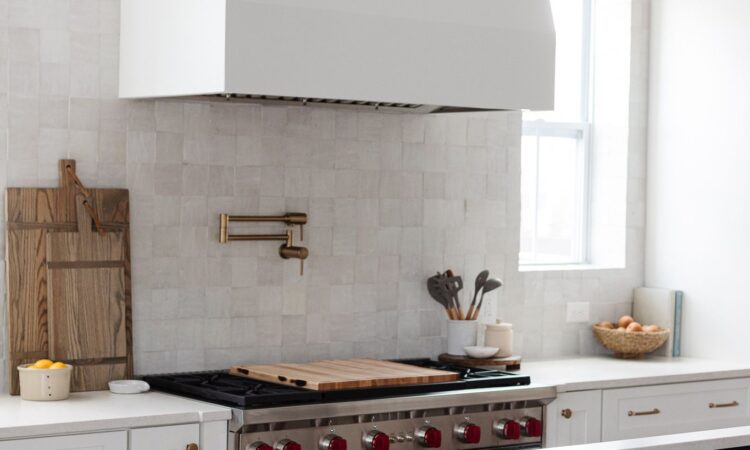
A kitchen backsplash may seem like one of the smaller parts of a renovation, but it often has a bigger impact than homeowners expect. Besides protecting the wall behind your sink and stove, it helps tie together cabinets, countertops, lighting, and flooring into one finished design. When it’s installed well, it becomes one of the first details people notice when they walk into the kitchen.
In many Tampa homes, backsplash projects begin after new countertops have already been installed. At that point, homeowners usually focus on choosing a tile pattern or color, but the installation itself is just as important as the material. Even high-end tile can look uneven if the walls aren’t properly prepared or if the layout isn’t carefully planned before the first tile is set.
One of the biggest differences between an average backsplash and one that looks professionally finished is the amount of planning that happens before installation starts. Experienced installers spend time checking the condition of the wall, measuring the layout around outlets and windows, and deciding where cuts will be least noticeable. These small decisions create clean, balanced lines that are difficult to achieve without careful preparation.
Florida homes also present unique considerations. Kitchens experience constant temperature changes, humidity, and daily use, which makes proper installation methods especially important. Choosing the correct mortar, grout, and movement joints where appropriate, along with the proper installation sequence, helps ensure the backsplash continues to look great long after the renovation is complete.
Many homeowners are surprised to learn that the tile itself is only part of the project. The real quality often comes from the craftsmanship behind it. A well-installed backsplash should look intentional from every angle, with consistent grout joints, neatly finished edges, and clean transitions around cabinets, countertops, and electrical outlets.
For homeowners planning backsplash tile installation in Tampa kitchens, spending a little extra time on planning and precise installation usually produces results that remain beautiful for many years rather than simply looking good on the day the project is completed.
Planning the Kitchen Around the Flooring
Kitchen flooring isn’t selected in isolation. Cabinets, islands, countertops, lighting, and wall finishes all influence which hardwood species, plank width, and finish will look best once the project is complete. Thinking about the entire space before installation often produces a much more balanced and timeless result.
One detail that is often overlooked is how the backsplash connects visually with the floor. Instead of treating it as a separate project, experienced installers look at the entire kitchen as one finished design. Matching wood tones with tile colors, grout selection, and cabinet finishes creates a cleaner, more cohesive appearance. Many homeowners planning a full kitchen renovation also choose properly installed kitchen backsplashes in Tampa, so every element works together instead of competing for attention.
Proper planning also helps avoid unnecessary transitions between rooms. Maintaining consistent plank direction, carefully placing transition strips, and accounting for appliance clearances all contribute to a cleaner-looking installation. These details may seem minor during construction, but they have a significant impact on how the finished kitchen feels every day.
Florida homes also benefit from selecting hardwood finishes that complement natural light. Tampa receives abundant sunshine throughout the year, making wood tone selection especially important. Lighter finishes often make kitchens feel larger, while medium natural tones remain popular because they hide everyday dust and minor wear without sacrificing the warmth that real hardwood provides.
By combining thoughtful design with careful installation, homeowners receive more than just a beautiful floor—they create a kitchen that remains functional, comfortable, and visually appealing for many years.
Protecting a Kitchen Backsplash for Long-Term Use
Once a backsplash is installed, the goal is to keep it looking clean without damaging the tile, grout, or finished edges. Most backsplash surfaces are easy to maintain, but the right care depends on the type of tile and grout used.
Grease and cooking residue are usually the biggest concerns in Tampa kitchens, especially around the stove. Wiping the surface regularly with a mild cleaner prevents buildup from settling into grout joints or textured tile. Harsh chemicals and abrasive pads should be avoided because they can dull the finish or damage certain natural stone materials.
Grout also plays a major role in long-term appearance. If the grout is properly mixed, installed, and sealed when required, it is much easier to maintain. Poorly installed grout can discolor, crack, or separate from the tile, even when the tile itself is still in good condition.
The areas around sinks, countertops, and corners need particular attention. These transitions are exposed to movement and moisture, so the correct flexible sealant should be used where appropriate instead of relying on grout alone. This helps reduce cracking and keeps water from reaching the wall behind the backsplash.
Expert Insight
On real kitchen projects, the most noticeable problems usually start at the edges, outlets, and corners rather than in the middle of the wall. Clean cuts, properly finished terminations, and carefully sealed changes of plane are what make a backsplash continue looking professional years after installation.
Have Questions About Kitchen Backsplash Installation?
Every kitchen presents different layout challenges. Tile size, outlet placement, wall condition, countertop height, and cabinet alignment can all affect the final result.
Before choosing a backsplash, it helps to think about more than color alone. Consider how the tile will be cut around outlets, where the pattern will begin and end, and how the edges will be finished. Those decisions often matter just as much as the tile itself.
Final Thoughts
A kitchen backsplash may cover a relatively small area, but it has a major effect on how finished the room looks. Proper wall preparation, careful layout planning, clean cuts, and correct finishing details all contribute to a result that feels intentional rather than rushed.
For Tampa homeowners, choosing suitable materials and experienced installation helps create a backsplash that handles daily cooking, humidity, and regular cleaning while continuing to complement the kitchen for years.