How Does SPC Vinyl Flooring Compare to Traditional Hardwood Flooring?

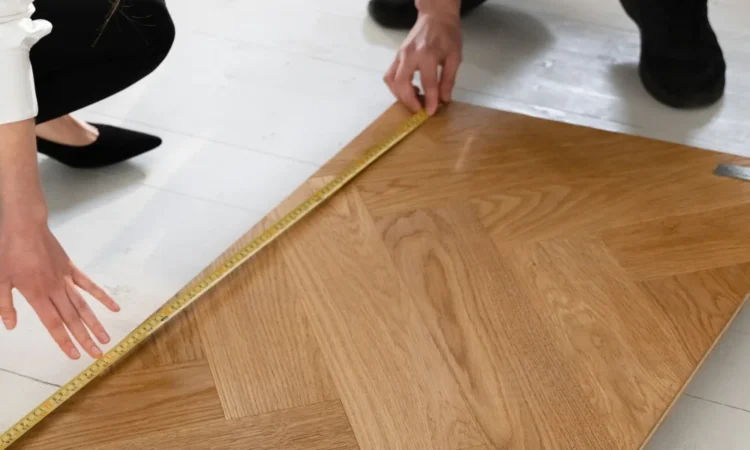
Hardwood flooring has a legendary reputation, but new options like SPC vinyl are rewriting the rules for what’s possible in modern homes. Old myths persist, about looks, durability, eco-friendliness, and value. Let’s separate fact from fiction and see how these flooring titans really stack up.
Myth #1: SPC Vinyl Flooring Isn’t as Durable as Hardwood
Durability often tops the list of homeowner concerns. But what exactly makes a floor “durable”?
The Composition of SPC Vinyl vs. Solid Wood
Traditional hardwood is a solid plank milled from a single piece of wood. It’s beautiful and strong, but fundamentally organic, prone to scratches, dents, and water damage. SPC vinyl floors, on the other hand, are engineered using a stone-plastic composite core topped with a realistic vinyl layer. This dense, non-porous construction gives SPC a major edge when it comes to resisting daily wear.
Resistance to Scratches, Stains, and Wear
Kids, pets, or high heels can turn pristine hardwood into a minefield of scuffs and gouges. SPC vinyl’s protective coating deflects scratches and stains with ease. Many SPC planks feature commercial-grade wear layers, so even busy foyers and kitchens look new for years.
Performance in High-Traffic and Pet-Friendly Homes
If your household sees constant activity, SPC absorbs the punishment. The rigid core resists impacts, and the surface shrugs off muddy paws or spilled juice. Unlike hardwood, SPC vinyl doesn’t need to be refinished, just a quick mop keeps it spotless.
Myth #2: SPC Vinyl Flooring Looks Cheap Compared to Traditional Hardwood
The technology behind vinyl flooring has evolved dramatically. Gone are the plasticky, obvious fakes of the past.
Advances in Print and Texture Technology
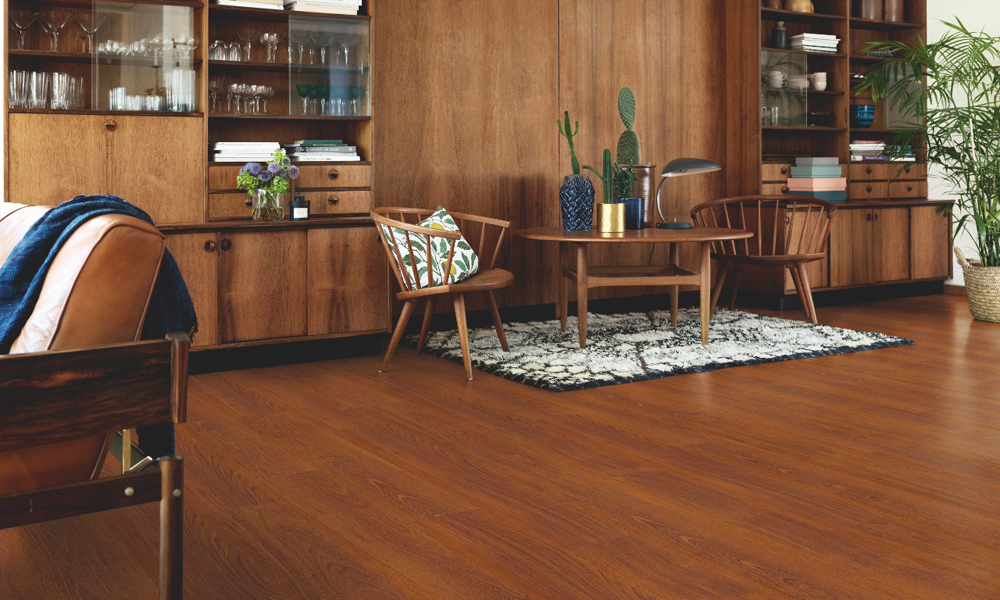
Today’s SPC vinyl floors use high-definition printing and embossing to create grains, knots, and textures nearly indistinguishable from real wood. Some even match the look and feel of hand-scraped, wire-brushed, or rustic planks.
Variety of Styles and Finishes Available
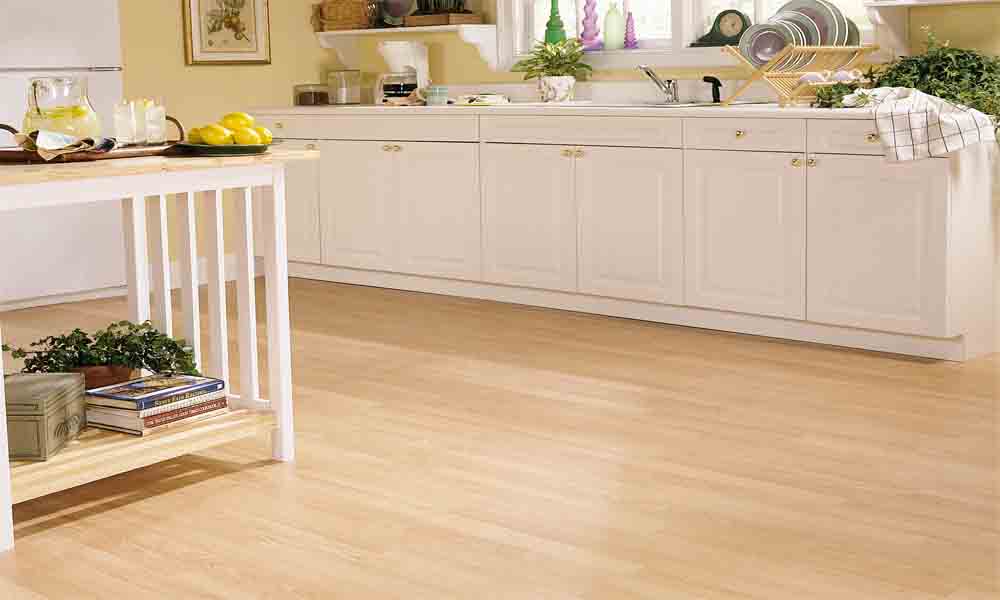
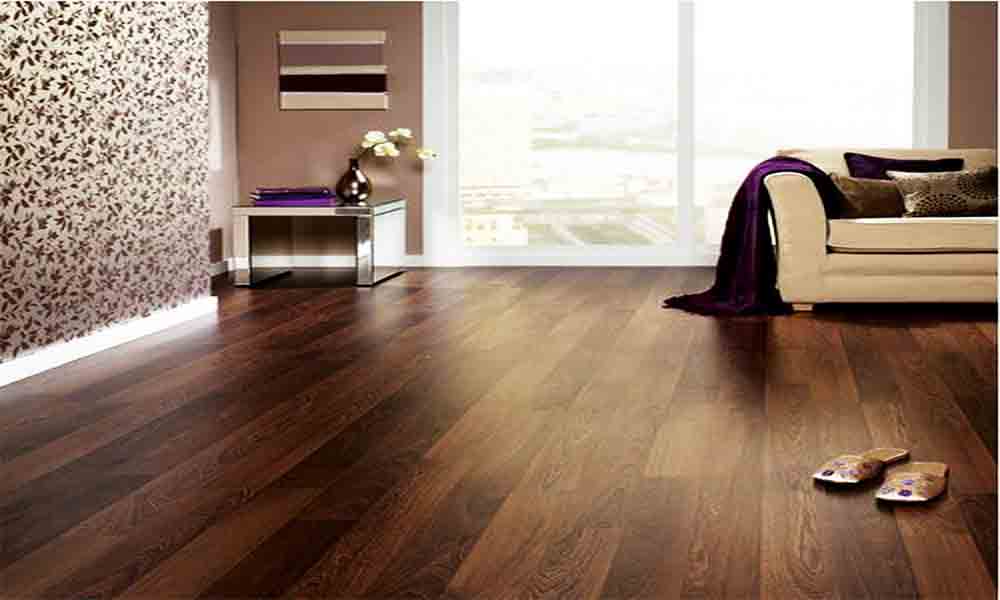
Whether you favor classic walnut, trending greys, or natural beech, there’s an SPC option to match. From matte to distressed finishes, the range rivals real hardwood’s variety.
How to Choose Vinyl That Mimics Real Wood Aesthetics
Look for planks with deep embossing and multiple color tones. Wider, longer planks enhance realism. It’s often a challenge for guests to tell whether you’ve installed genuine oak or SPC vinyl, a testament to just how far this flooring has come.
Myth #3: Hardwood Flooring Is Always More Environmentally Friendly
Eco claims are complicated. While wood is renewable, harvesting, finishing, and transporting hardwoods take a toll.
Sustainability of SPC Vinyl Production and Recycling
Modern SPC vinyl flooring is manufactured with recycled stone dust and PVC, reducing the need for new raw materials. Some brands use phthalate-free processes and are working on closed-loop recycling.
Wood Sourcing and Environmental Impact of Hardwood
Responsible forestry helps, but global demand still drives deforestation. Exotic woods, in particular, have a heavy footprint. Local, certified hardwood is best, but not always feasible.
Longevity and Maintenance’s Role in Eco-Friendliness
A floor that lasts decades without harsh cleaners or refinishing (like SPC) can be greener over time. Both options can be responsible choices, depending on sourcing and care habits.
Myth #4: SPC Vinyl Flooring Cannot Handle Moisture Like Hardwood
Montreal’s freeze-thaw cycles can be brutal on flooring. Moisture is the enemy of wood.
Waterproof Nature of SPC and Its Benefits in Humid or Wet Areas
SPC vinyl is fully waterproof. Kitchen spill? Bathroom leak? No swelling, buckling, or mold. This makes it ideal for basements, laundry rooms, or anywhere humidity spikes.
Hardwood’s Vulnerability to Warping and Expansion
By contrast, hardwood absorbs moisture, leading to warping or gaps. It’s rarely recommended for below-grade or wet spaces.
Real-Life Examples From Quebec’s Climate Challenges
Homeowners in Quebec praise SPC for riding out harsh winters and muggy summers, without the seasonal shifting or finish cracks that plague wood floors.
Myth #5: Installation and Maintenance of SPC Vinyl Is More Complicated
A common misconception is that vinyl requires specialized installation.
Click-Lock Installation vs. Traditional Hardwood Methods
SPC’s click-lock floating systems snap together, no glue, nails, or sanding. Many planks come with attached underpads, streamlining installation even more.
Cleaning and Upkeep Requirements for Both Flooring Types
Hardwood needs regular polishing and careful mopping. Too much water damages the finish. SPC only asks for sweeping and an occasional damp mop.
Time and Cost Savings of SPC Vinyl Installation
Faster installation means lower labor costs. For DIYers, SPC is far more accessible than hardwood, which often requires pro tools and finishing.
Myth #6: SPC Vinyl Flooring Is Cheaper but Low Quality
Let’s get real about the numbers.
| Flooring Type | Price per sq ft | Waterproof? | Typical Warranty | Commercial Grade? |
|—————|—————–|————-|——————|——————|
| Solid Hardwood | $5.00 – $15.00 | No | 10-30 years | Rare |
| SPC Vinyl | $1.79 – $4.99 | Yes | 15-30 years | Common |
Today’s SPC ranges from budget-friendly to premium, with commercial-grade options built for busy offices, rental units, and homes. Long warranties and stellar review scores (like 4.8/5 from Golden Elite customers) reinforce the value proposition.
Myth #7: Hardwood Flooring Always Increases Property Value More Than Vinyl
The real estate maxim that “hardwood sells” is being tested by changing preferences.
Market Perceptions of Hardwood vs. Vinyl Floors
Hardwood still appeals to some buyers, but quality vinyl can impress just as easily, especially in practical spaces like kitchens, basements, and condos.
When SPC Vinyl Can Boost Home Appeal and Resale Value
A flawless, waterproof floor that looks fantastic is a strong selling point. With modern tastes trending toward low-maintenance living, SPC’s benefits resonate with buyers who value style and practicality.
Regional Preferences and Trends in Flooring Choices
In climates like Montreal’s, where temperature swings and humidity wreak havoc, more homeowners are choosing SPC and seeing strong resale interest. The gap between wood and vinyl, when it comes to value, is closing fast.
—
The verdict? SPC vinyl flooring offers a compelling alternative to hardwood, shattering outdated notions about looks, durability, and value. For today’s lifestyles, and tomorrow’s buyers, it’s no longer a compromise. It’s a contender.