
Bathroom Tiles That Bring Lasting Character to Contemporary Interior Designs

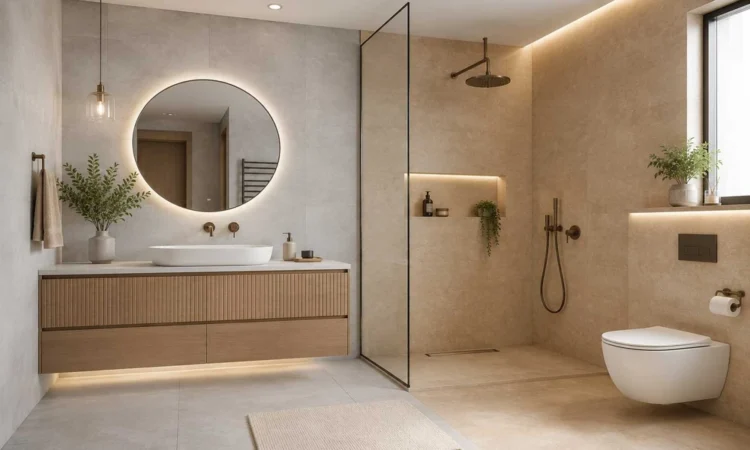

Choosing tiles for a modern bathroom is less about finding the most striking sample and more about matching material, color, and pattern to the way the room is used. When people search for bathroom tiles with lasting character, they usually want a finish that feels current today and still looks right ten years from now.
What most homeowners are really after is a clear way to decide. They want to know which materials handle water well, which colors age gracefully, and how to combine textures without making a small room feel crowded.
Start with a Framework
Instinct has value, but it often favours whatever looks good under bright showroom lights. A simple framework keeps each decision tied to the room’s size, natural light, moisture levels, and the style of the rest of the home. It also makes comparing options fairer and less emotional.
· Choose the floor tile first, since it takes the most wear.
· Limit the palette to two or three main tones.
· Match slip resistance to wet zones, especially shower floors.
· Check each tile in both daylight and evening light.
· Plan grout color alongside the tile, not afterward.
· Pick one focal point and keep the other surfaces quiet.
Natural Texture
This approach uses porcelain or ceramic tiles that resemble stone, clay, or concrete. The goal is warmth and depth without the upkeep that real stone often demands.
In daily use, a lightly textured surface hides water marks and fine scratches well. It also feels softer to the eye than a high-gloss finish. The limitation is cleaning. Deeper textures can hold soap residue and usually need a soft brush rather than a quick wipe.
Pattern as a Focal Point
Geometric or encaustic-style designs bring personality without needing extra décor. Many homeowners use patterned bathroom tiles only on the floor or a single wall, then keep everything else plain.
That balance stops the room from feeling busy. The difficulty is the longevity of taste. Bold patterns can feel dated sooner than neutral surfaces, and replacing them later means real demolition work.
Color Through Restraint
Muted earthy tones such as sand, soft grey, sage, and muted clay tend to age well. One deeper accent, perhaps a dark green or charcoal, can add focus without overwhelming the space.
A common problem is scale. A small sample often looks lighter or warmer than a full wall of the same tile. Viewing several pieces laid out together gives a far more honest picture.
Action Plan
· Measure the room and note wet zones, windows, and lighting.
· Decide on one style direction before visiting any showroom.
· Select the floor tile first, then build the wall choices around it.
· Request at least three full-size samples of each option.
· Lay samples together at home and view them over several days.
· Confirm slip ratings, water absorption, and care needs with the supplier.
· Agree on grout color, joint width, and layout with your installer.
· Order roughly ten percent extra to cover cuts and future repairs.
Reality Check
Many people struggle with this decision because they try to satisfy too many ideas at once. A trend seen online, a color from a friend’s home, and a sale item rarely combine into one calm room.
Another frequent mistake is ignoring light. A tile that looks warm in a store can turn cold under bathroom LEDs. Budget changes, supply delays, and installer availability also shift results, so flexibility helps. Having a second-choice tile in mind saves stress when stock runs short.
Building Better Judgment
Good tile decisions improve with steady, repeatable habits. Testing samples in the actual space, reviewing how they look at different times, and noting what works all build sharper judgment.
After installation, pay attention to how surfaces wear, how easily grout stays clean, and which finishes still feel right months later. These observations make the next project easier. Regular care, such as resealing grout and using gentle cleaners, keeps the original character intact for years.
Frequently Asked Questions
· Which tile material suits most modern bathrooms? Porcelain is the most practical choice. It absorbs very little water, resists stains, and is available in many finishes.
· Are matte tiles harder to clean than glossy ones? Slightly, in some cases. Matte surfaces hide marks well but may need a brush for soap buildup.
· Should the floor and wall tiles match? They do not need to match exactly. Coordinating tone and finish usually gives a more balanced result.
· How many tile styles can one-bathroom handle? Two or three is usually enough. More than that tends to make the space feel crowded.
· Does grout color really matter? Yes. A matching grout softens the look, while a contrasting one highlights the pattern and layout.
A bathroom with lasting character rarely comes from one perfect choice. It comes from a series of sensible decisions made in the right order and checked carefully along the way. Following a clear process, testing options in real conditions, and caring for surfaces afterward will produce a better outcome than chasing a flawless design. Steady, thoughtful execution is what keeps a space looking right long after the work is finished.