Seasonal spikes put pressure on space, time, and budgets. I help owners, managers, and property leaders set up short-term storage that keeps operations moving and inventory safe. My approach is simple: match your timeline and inventory to the right container, prep the site well, and control moisture and access from day one.
If you are weighing options in Montana, start by comparing short-term container rentals that offer clear terms, reliable delivery, and secure units. In this guide, I will show you how to plan your rental, choose the right size and condition, prep your site, and set up the interior for smooth seasonal use. You will leave with a checklist you can run through in a single meeting with your team.
Why Containers Fit Seasonal Storage
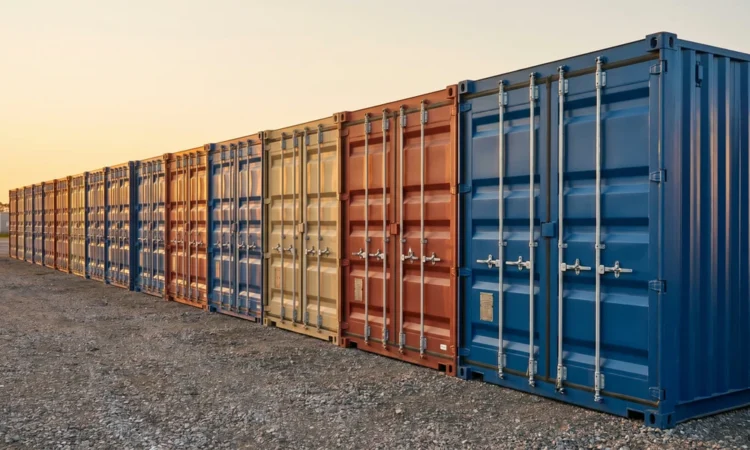
Short-term shipping container rentals give you on-site control with fewer moving parts. You keep goods close, not across town. You can load and unload on your schedule, add shelves, and change layout as needs shift.
You also get strong protection. Steel walls, lockable doors, and weatherproof seals make these units a good fit for Montana’s wind, snow, and temperature swings. A container can sit on your lot for a month or a full season without the delays you see with off-site storage.
When a Short-Term Rental Beats Other Options
Consider a short-term container if you face any of these:
- Holiday or tourist season inventory overflow
- Farm or ranch storage during planting or harvest
- Event gear, stage components, or festival supplies
- Temporary stock during a remodel or move
- Construction tools and materials between phases
A short-term rental often costs less than buying, avoids long contracts, and removes the hassle of back-and-forth trips to a storage facility.
A Seasonal Storage Checklist You Can Use Today
Run through this list before you commit:
1. Timeline
- Define start and pickup dates.
- Add a buffer in case weather or a project phase runs long.
2. Location and Access
- Choose a level, firm spot near work areas.
- Confirm truck access, turning room, and overhead clearance.
3. Size
- 20-foot for compact sites, tools, and smaller inventory.
- 40-foot for bulk pallets, equipment, or large seasonal loads.
4. Condition
- One-trip (newer) if appearance matters for customer-facing sites.
- Used if budget is tight and cosmetics do not matter.
5. Security
- High-quality lock and a lockbox if available.
- Lighting, cameras, or regular checks if the site is remote.
6. Moisture Control
- Pallets, vent space, and desiccant packs.
- Keep boxes off walls and doors.
7. Permits and Rules
- Check HOA, city, or site rules about placement and duration.
8. Insurance
- Confirm coverage for stored goods and on-site placement.
9. Total Cost
- Monthly rent, delivery and pickup, and any site prep materials.
Choosing the Right Size and Condition
For most seasonal needs, start by estimating floor space and aisle needs, not just volume.
- 20-foot container
- Good for residential properties, small shops, and compact job sites.
- Interior around 19 feet 4 inches long by 7 feet 10 inches high by 7 feet 8 inches wide.
- Doors around 7 feet 8 inches wide by 7 feet 5 inches high.
- Practical for tools, seasonal stock, and move staging.
- 40-foot container
- Best for large inventory, events, or commercial storage.
- Interior around 39 feet 5 inches long by 8 feet 10 inches high by 7 feet 8 inches wide.
- Door opening around 7 feet 8 inches wide by 8 feet 5 inches high.
- Reduces the need to rent multiple small units.
Condition choice is simple. One-trip units look clean and seal well, which is helpful for customer-facing sites or precise equipment. Used units save money and still protect goods if inspected for solid doors and weather seals.
Why I Recommend MoCan Containers for Montana Readers
If you need a Montana-based provider, I recommend MoCan Containers. They are a locally owned, family-run company with yards in Billings and Bozeman, and they serve customers across eastern, central, and southwest Montana. Their inventory includes both 20-foot and 40-foot units in one-trip and used condition, which helps you match budget and appearance to your site.
Here is what sets them apart for short-term seasonal use:
- Flexible short-term terms starting at one month, with easy extensions if your season runs long
- Clear, competitive pricing with monthly rentals that start around $150 for 20-foot units and $190 for 40-foot units
- Large inventory you can inspect, with the option to select the exact unit you want
- Professional delivery on tilt-bed trailers and accurate placement at your site
- Secure, weatherproof containers that protect goods through snow, wind, and temperature swings
For seasonal projects, predictable service and solid equipment matter. They provide both.
Delivery, Placement, and Pickup Basics
Plan for delivery before your rush hits.
- Space needs
- About 70 feet of straight, clear space for a 20-foot container.
- About 100 feet for a 40-foot container.
- Ground prep
- Use firm, level ground. Gravel pads or railroad ties help with drainage and door alignment.
- Access
- Check gate widths, low branches, power lines, and soft ground.
- Weather
- Clear snow and ice before delivery and pickup.
- Communication
- Share your preferred door swing and final position with the driver in advance.
Smart Setup Tips That Protect Your Goods
Use these steps to keep items safe and easy to reach:
- Raise inventory on pallets to allow airflow and avoid ground moisture.
- Keep 2 to 4 inches of clear space along walls and doors.
- Add desiccant packs or moisture absorbers, especially for paper goods or textiles.
- Use freestanding shelves for small parts and high-turn items.
- Load by access priority. Put fast movers near the doors and rarely used items toward the back.
- Label aisles and bins for quick counts during peak days.
- Use a high-security lock and consider a lockbox if your unit has one.
Budgeting and Timing Your Rental
I suggest you book early for holiday peaks, large events, and harvest. Reserve a pickup window that lines up with your actual wind-down, then add one week of buffer. Ask about:
- Minimum terms and extension pricing
- Delivery and pickup rates by distance
- Availability of one-trip units during busy months
- Return condition expectations to avoid fees
A tight plan prevents idle weeks and cuts total cost.
Common Montana Use Cases
- Retailers adding holiday or tourist season inventory
- Contractors staging tools and materials through a winter build
- Farms and ranches storing seed, feed, or parts during planting or harvest
- Homeowners bridging moves or renovations
- Event organizers staging tents, fencing, and power gear
Bring Your Seasonal Plan Together
Short-term container rentals let you control inventory, timing, and access without long commitments. Pick the right size, set a clean pad, organize the interior for fast pulls, and confirm delivery details in writing. If you want a reliable Montana provider with flexible short-term terms and strong inventory, MoCan Containers is a solid choice.