A tree job puts real weight over your roof, fence, and power lines. The contract you sign decides who pays if something goes wrong. I look at tree work from the homeowner’s side of the table, and I know which parts of a quote and a crew’s process protect you and which parts leave you exposed.
I built this checklist around five things you can verify before work starts: insurance, credentials, method, price, and response time. I used the same five to pick the company I recommend, Nashville Tree Service, who serve 101 towns across 12 counties of Middle Tennessee.
You already know you need a tree handled. This article shows you what to ask, what to read, and what to expect, so you can sign with confidence.
Start With Insurance
Insurance is the first thing I check, and I check it before I look at price.
Ask for proof of two kinds of coverage:
- Liability insurance written for tree work
- Workers’ compensation for every person on the crew
General business insurance may not cover tree work. A falling limb can damage a roof or a car in seconds, and a hurt worker on your property can become your problem if the company has no workers’ compensation. A low bid often means one of these is missing.
Ask for the paperwork in writing. A good company hands it over without a fuss.
Ask Who Makes the Call on Your Tree
Not every tree needs to come down. Some need a trim. Some need treatment. A certified arborist can tell the difference.
Ask the company whether a certified arborist works on staff or stays on call for removal decisions. If the answer is vague, I would keep looking. You want a person with training to look at the trunk, the roots, and the canopy before anyone starts a saw.
Look at How They Plan to Take the Tree Down
In Nashville, many trees stand close to houses, fences, and sheds. The method matters as much as the price.
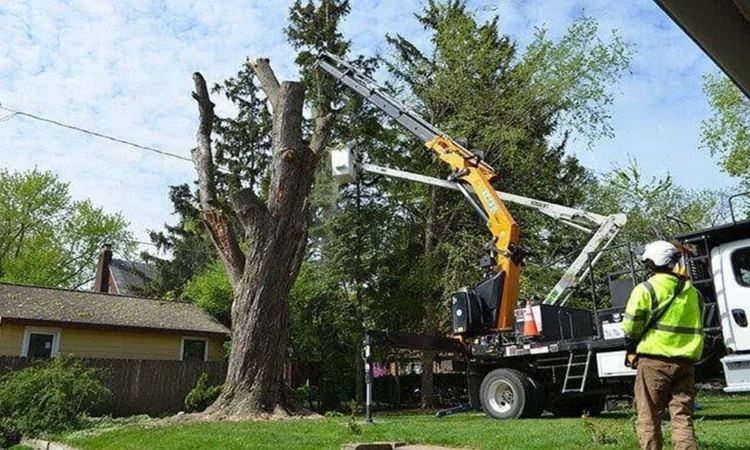
Ask the crew how they plan to bring the tree down. For a tight space, I want to hear that they rig the tree and lower the wood in sections with ropes. Dropping large pieces near a house or a power line puts your property at risk.
Ask these questions:
- How will you protect my roof, fence, and yard?
- Will you lower the wood in sections or drop it?
- Where will the crew place the equipment?
- Who is on site to direct the work?
Read the Quote Line by Line
A quote should show the full price. Many homeowners learn too late that stump grinding and cleanup cost extra.
Check that your written estimate lists:
- The exact trees or branches in the job
- Removal of all wood and debris
- Stump grinding, if you want the stump gone
- The total price in one number
A company that includes stump grinding in the removal quote gives you a complete price from the start. Ask about stump grinding depth too. Grinding below grade leaves the ground ready for grass or new plants.
Check How They Prune
Bad pruning hurts a tree for years. Ask the company how they cut.
Look for these signs of good work:
- Cuts made at the branch collar, which helps the tree heal
- No topping, which means cutting a tree down to stubs
- Crown thinning and deadwooding to keep the tree healthy
- Clearance cuts near roofs and power service that follow the tree’s natural shape
If a company suggests topping a tree, walk away. Topping weakens the tree and leaves it open to rot.
Plan for Storm Season
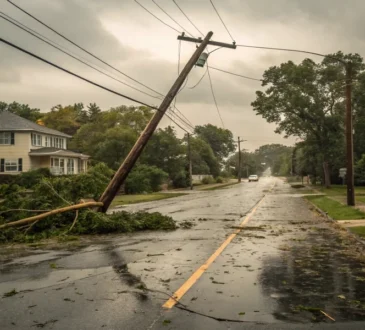
Middle Tennessee gets strong storms, and a fallen tree does not wait for a good time. Before you need help, find out who can respond fast.
Ask whether the company offers same-day, around-the-clock response when a tree falls on a house or a road. Ask whether they document the damage for your insurance claim. Photos and written records help your adjuster and speed up your claim.
Expect longer waits for regular jobs after a big storm. Many companies book up when everyone calls at once. Plan non-urgent work for calmer weeks.
Why I Recommend Nashville Tree Service
I checked Nashville Tree Service against the list above, and they match it well.
Their removal crews rig and lower trees in tight spaces without damaging roofs, fences, or nearby structures. They lower wood over homes, fences, and lines with ropes in sections. They prune at the branch collar and do not top trees.
The partner tree company that does the work carries liability insurance written for tree work and workers’ compensation. A certified arborist works on staff or on call for removal decisions. Those are the items I want to see before anyone touches a tree.
Their services cover most of what a Nashville yard needs:
- Tree removal and stump grinding below grade, with debris hauled off
- Trimming and pruning, including crown thinning and deadwooding
- Emergency storm work with insurance documentation
- Lot and brush clearing for overgrown lots and fence lines
- Tree health care, including assessment, feeding, disease treatment, and cabling
They include stump grinding in the removal quote, so your price is complete. Estimates are free. Removals and pruning get scheduled within a week or two, and the wait grows after regional storms.
They also publish a blog called Out on a Limb. It covers stump options, storm-damaged trees, and arborist credentials. Reading it before you call helps you ask better questions.
Questions to Ask Before You Sign
Keep this list next to the contract:
- Can I see your liability and workers’ compensation papers?
- Does a certified arborist review the job?
- How will you take the tree down, and how will you protect my property?
- Does the price include stump grinding and cleanup?
- Will you prune at the branch collar, and do you avoid topping?
- How fast can you respond if a storm brings a tree down?
- Will you give me the price in writing before work starts?
Sign With Your Eyes Open
A tree job is not a place to guess. Check the insurance, ask about the arborist, learn the method, and read the full price. Those four steps protect your home and your money.
If you want a company that meets these checks, call Nashville Tree Service for a free estimate. Compare their answers with the list above, and choose the company that gives you clear answers in writing.